 ultimate-guide
Tree Trimming Cost: A Complete Pricing Guide
Table of Contents
- What Affects Tree Trimming Cost
- Palm Tree Pruning Frequency and Maintenance
- When to Hire a Certified Arborist Consultation
- Tree Removal vs. Trimming: Cost Comparison
- Emergency Tree Service and Hurricane Preparation
- Stump Removal and Debris Disposal
- How to Get an Accurate Tree Service Estimate
- Frequently Asked Questions
Last Updated: September 25, 2026
What Affects Tree Trimming Cost
Understanding what drives tree trimming cost requires looking at several interconnected factors that arborists evaluate before quoting a job. The price you'll pay depends far less on a simple per-tree rate and far more on the specific conditions of your property and the work required.
Tree size and height
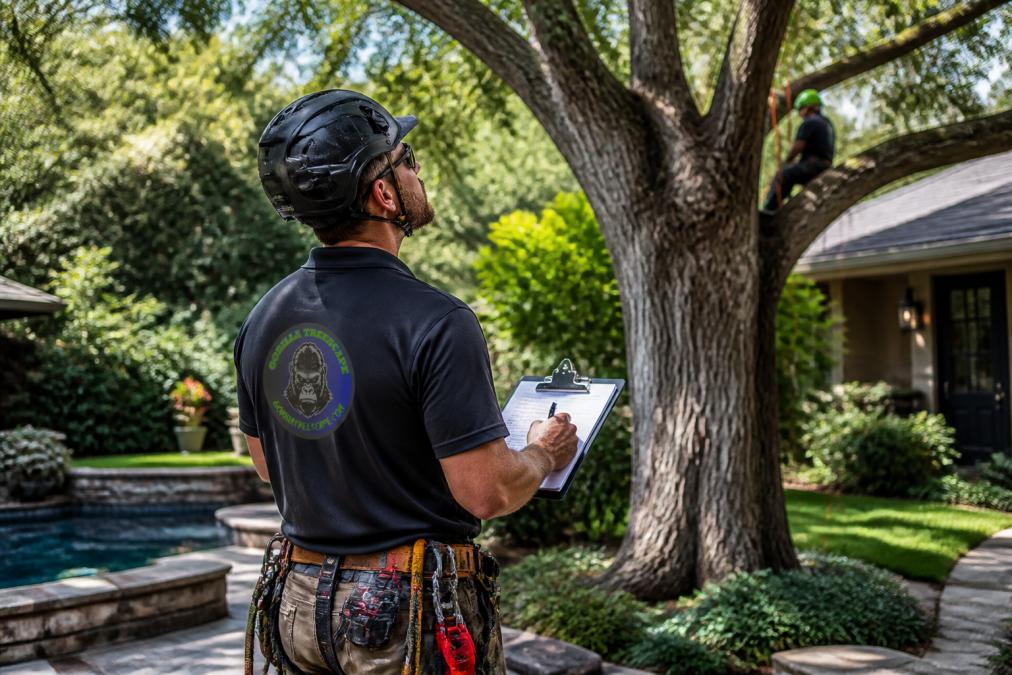
The single biggest variable in tree trimming cost is the tree's size and height. A certified arborist will measure the diameter at breast height (DBH) and overall canopy spread to determine the scope of work. Larger trees require specialized equipment, more labor hours, and greater safety precautions. A 30-foot tree with a 20-foot canopy spread presents a fundamentally different job than a 50-foot specimen with branches extending over your neighbor's property or near utility lines.
Height affects both labor and equipment needs. Trimming branches at 60 feet requires bucket trucks or climbing gear. Removing deadwood from lower branches on a 25-foot tree takes a crew a few hours. The same work at triple the height multiplies the complexity and cost.
Tree species and location
Not all trees trim the same way. Palm tree pruning frequency differs dramatically from deciduous species common in residential yards. Palms require specific cuts to maintain health and appearance, while oak, maple, and ash trees respond to different pruning techniques. Some species have dense, heavy wood that's slower to cut. Others have brittle branches that fall unpredictably during trimming.
Location matters equally. A tree growing in the middle of an open yard costs less to trim than one surrounded by structures, parked cars, or delicate landscaping. Trees near power lines demand extra caution and often require coordination with utility companies for safety clearance. Trees in HOA communities may need approval before work begins, adding administrative time to the estimate.
Accessibility and site conditions
Poor site access drives costs up significantly. A tree on a steep slope, in a tight corner of your property, or blocked by a fence requires crews to work in constrained positions. Wet or soft ground limits where heavy equipment can operate. Narrow driveways force crews to park farther away and hand-carry materials and tools.
Debris removal and site cleanup compound accessibility challenges. Trimming a tree in an open yard where branches can fall freely costs less than one where crews must carefully lower limbs using ropes to avoid damaging your pool, deck, or roof. The more obstacles present, the more time and specialized rigging the job requires. If you're planning broader outdoor improvements, consider how tree work coordinates with Landscaping And Outdoor Living Design to create a cohesive property vision.
Palm Tree Pruning Frequency and Maintenance
Palm tree maintenance in tropical climates differs fundamentally from hardwood trimming in both frequency and cost structure. Unlike deciduous trees that benefit from annual or biennial pruning, many palms require less frequent structural work but demand consistent frond and seed pod removal year-round due to continuous growth cycles.
Most palms benefit from frond removal every 6 to 12 months, depending on species and environmental conditions. Common palms in residential settings, including Queen Palms, Coconut Palms, and Sabal Palms, accumulate dead fronds, brown leaf tips, and seed pods that create safety hazards and attract pests. Regular maintenance prevents the need for aggressive crown reduction work later and keeps trees structurally sound.
Understanding the cost difference between palm shaving and trimming helps homeowners budget accurately. Palm shaving, removing only dead fronds and seed pods, costs significantly less than structural trimming because it requires less labor and no heavy equipment. A crew can typically complete frond removal on a single palm in 1 to 2 hours. Structural trimming, which involves reducing crown size or removing large branches, requires more time, specialized climbing equipment, and expertise, making it substantially more expensive.
A certified arborist can assess your specific palms and recommend a maintenance schedule tailored to species and growth patterns. Removing just dead fronds and seed pods costs far less than waiting until palms become overgrown and require crown reduction work. Consistent palm maintenance keeps trees healthy, manageable, and less likely to require emergency removal during hurricane season.
When requesting estimates for palm work, clarify whether the quote covers frond removal only or includes structural trimming. Some contractors bundle both services; others price them separately. This distinction directly affects your total cost and helps you compare quotes accurately across different service providers.
When to Hire a Certified Arborist Consultation
A certified arborist consultation becomes essential when you're facing complex decisions about tree health, safety, or value, and it's legally required in many situations under local tree protection regulations. Many homeowners attempt to assess tree condition themselves, but professionals spot hazards invisible to untrained eyes: internal decay, structural weakness, disease, and pest damage that threaten the tree's stability.
Hire a certified arborist when your tree shows signs of stress, leans unnaturally, has large dead branches, or lost major limbs in a storm. If a tree is near your home, over your roof, or near power lines, a professional assessment protects both your property and safety. An arborist provides a detailed tree health assessment, identifies hazards, and recommends the most cost-effective course of action.
Local regulations require professional assessment and permitting for certain tree work. Protected tree species and trees above a specified size often require a permit from the local environmental or planning department before trimming or removal can legally proceed. Working without required permits can result in fines and mandatory restoration costs that far exceed the original trimming expense. A certified arborist familiar with local ordinances can determine whether your project requires permitting and handle the application process, ensuring compliance and protecting you from legal liability.
HOA communities impose additional requirements. Many HOAs require approval before any tree trimming or removal, and some mandate that only certified arborists perform the work. Violating HOA tree policies can result in fines and mandatory restoration at your expense. If your property is in an HOA community, consult the governing documents or contact your HOA board before requesting trimming estimates. A certified arborist can coordinate with your HOA to ensure the proposed work meets community standards.
Insurance companies often require a certified arborist's report before covering tree damage claims.
Tree Removal vs. Trimming: Cost Comparison
The choice between removal and trimming often comes down to the tree's condition and your goals. A healthy tree with manageable branches costs far less to maintain through regular trimming than to remove entirely. However, a severely diseased, dead, or hazardous tree may be cheaper and safer to remove than to repeatedly trim and manage.
Emergency Tree Service and Hurricane Preparation
Hurricane season brings urgent tree service needs. Branches that seemed manageable in calm weather become dangerous projectiles in high winds. Proactive trimming before storm season reduces hazards and prevents emergency removals at premium rates.
Stump Removal and Debris Disposal
After trimming or removal, stump grinding eliminates the remaining root system and opens space for replanting or landscaping. Stump removal costs depend on the stump's size, depth, root spread, and ground conditions. Grinding a small stump takes an hour. Removing a large oak stump with extensive roots requires heavy equipment and multiple hours of work.
How to Get an Accurate Tree Service Estimate
Getting an accurate tree trimming cost estimate requires providing detailed information and inviting on-site assessment. Phone quotes based on descriptions are notoriously inaccurate because arborists can't see the tree's actual condition, accessibility, or hazards.
| Estimate Component | What to Expect | Why It Matters |
|---|---|---|
| Tree assessment | On-site visit measuring height, DBH, canopy spread | Determines labor and equipment needs |
| Scope of work | Specific branches or trees, pruning type | Clarifies exactly what's included |
| Equipment list | Bucket truck, climbing gear, chippers | Affects cost and timeline |
| Labor estimate | Number of crew members and hours | Primary cost driver |
| Debris removal | Haul-away or on-site chipping | Can be 15-25% of total cost |
| Timeline | Start date and expected completion | Important for planning and property access |
| Insurance and permits | Coverage details and any required approvals | Protects you and ensures legal compliance |
Frequently Asked Questions
What factors have the biggest impact on tree trimming cost?
Tree trimming cost depends primarily on tree height, diameter at breast height, species, and accessibility. Larger trees with dense canopies cost more to trim. Location matters too, trees near power lines, structures, or in tight spaces require specialized equipment and careful planning. A certified arborist assessment identifies hazards and structural issues that affect pricing.
How often should palm trees be pruned for health and safety?
Palm tree pruning frequency depends on species and growth rate. Most palms benefit from annual or biannual pruning to remove dead fronds, deadwood, and hazardous branches. Regular maintenance prevents structural damage during hurricane season and maintains the tree's health. A certified arborist can recommend the optimal pruning schedule for your specific palm species.
Is tree trimming cheaper than tree removal?
Tree trimming is generally more affordable than removal, especially for healthy trees needing crown reduction or deadwooding. However, if a tree is diseased, dead, or poses a safety hazard, removal may be the only option. Stump grinding adds cost to removal. Request estimates for both services to compare, a professional arborist can advise whether trimming or removal makes sense for your situation.
What should I look for when hiring a tree service provider?
Choose a licensed, insured arborist with certified credentials and experience in your area. Verify insurance coverage protects you during the work. Ask for references and check reviews from local homeowners. Request a detailed written estimate that outlines the scope, equipment needed, debris removal, and timeline. Avoid providers offering estimates over the phone without seeing the trees.