 ultimate-guide
Emergency Tree Removal: Hurricane Season Guide
Table of Contents
- What Counts as Emergency Tree Removal After a Hurricane
- Hazardous Tree Identification Before and After a Storm
- Hurricane Tree Preparation Tips to Reduce Storm Damage
- 24/7 Emergency Response: What Happens When You Call
- City Services vs. Professional Emergency Tree Removal
- Homeowners Insurance Tree Removal Coverage Explained
- Post-Hurricane Scams: How to Hire Safely After a Storm
- Frequently Asked Questions
Last Updated: August 29, 2026
What Counts as Emergency Tree Removal After a Hurricane
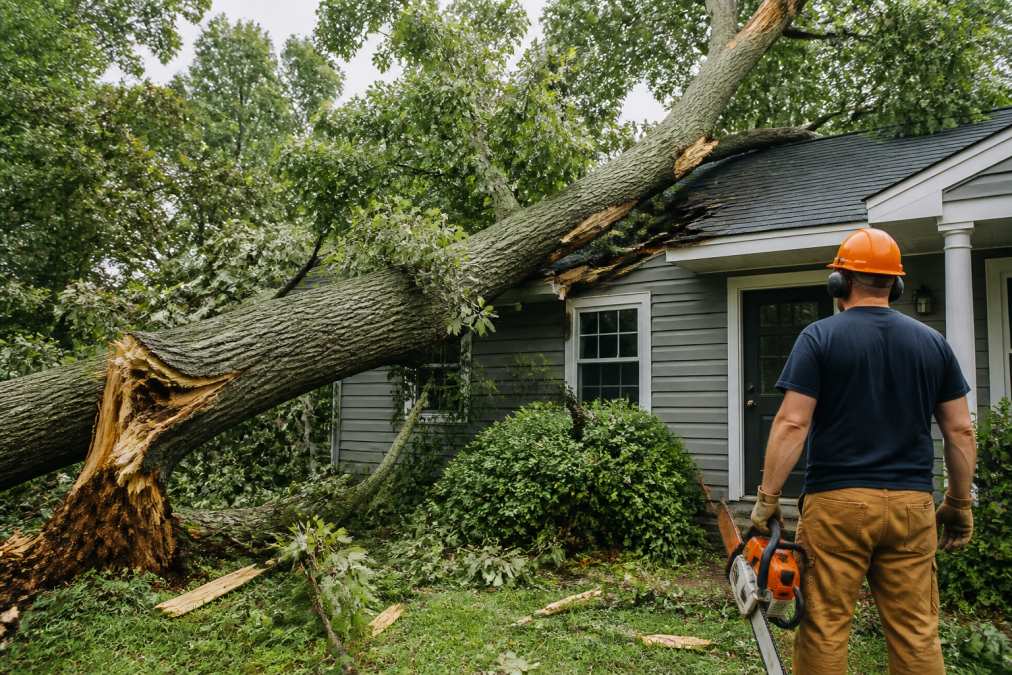
Emergency tree removal is the immediate extraction of a tree or large limb that poses an active threat to life, property, or utility infrastructure following a storm event. The threshold is genuine danger: a tree resting against your roof, a trunk blocking your only exit, or a root system that has lifted and cracked a foundation.
At Gorilla Treescape LLC, we respond to these situations constantly during hurricane season. A leaning tree that looks stable after a storm can shift dramatically within 24 to 48 hours as saturated soil continues to settle. If you would not park a car near the tree or let a child walk under it, that tree needs professional assessment.
Emergency removal covers several distinct scenarios:
- A tree has fallen onto a structure, vehicle, or is blocking a road or driveway
- A large limb is hanging but not yet fallen (called a "widow maker" in the arborist trade)
- The trunk has split and the canopy is shifting
- The root system has partially uprooted, leaving the tree at a severe lean
- The tree has made contact with or is threatening a power line
Anything outside those categories is urgent but not necessarily an emergency. Storm debris cleanup, dead branch removal, and general post-storm pruning can be scheduled within days rather than hours.
Hazardous Tree Identification Before and After a Storm
The most dangerous trees after a hurricane are not always the ones on the ground. Many of the highest-risk situations involve trees that are still standing but structurally compromised in ways that are easy to miss without training.
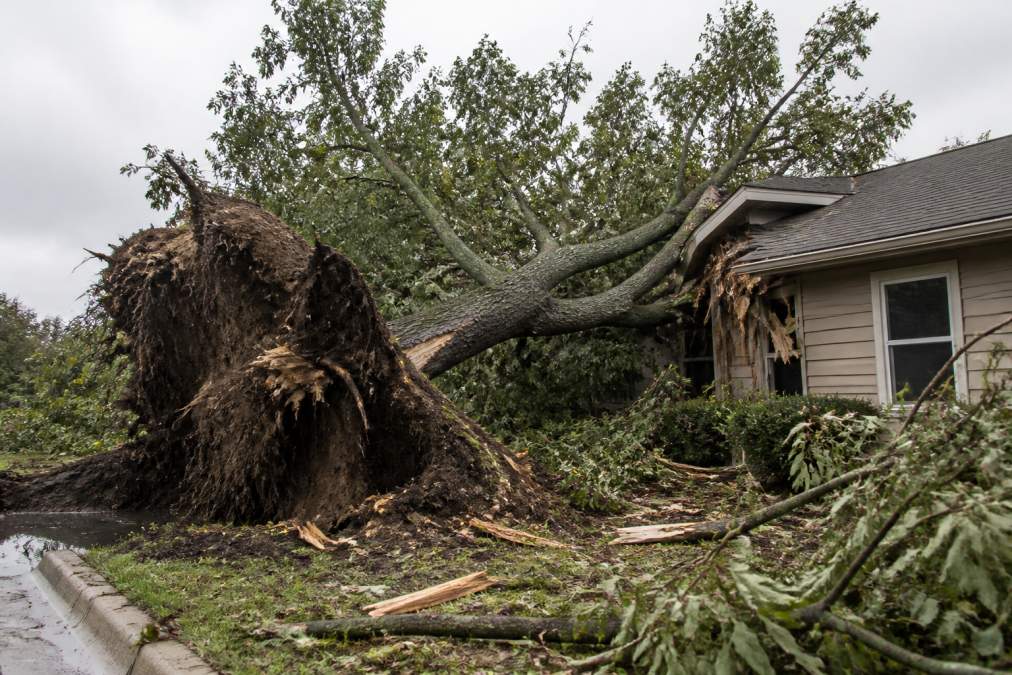
Visual Signs of Structural Failure
Walk the perimeter of your property from a safe distance and look for these warning signs:
- Cracked or split trunks: Vertical cracks running along the main trunk indicate the tree has already begun to fail.
- Soil heaving around the base: If the ground around the root zone is raised or cracked, the root system is compromised. This is common in South Florida's shallow, sandy soils after heavy wind loads.
- Leaning trees with exposed roots: A lean that appeared after the storm suggests the anchoring roots have snapped.
- Hanging limbs in the canopy: These may be held in place by other branches and can fall without warning.
- Bark stripped from the trunk: Wind-driven debris can strip bark and expose the cambium layer, accelerating decay and structural instability.
A certified arborist can assess structural integrity using methods a homeowner cannot replicate with a visual inspection alone. If you are uncertain, the safe assumption is that the tree is dangerous.
Power Line Hazards and Utility Coordination
Power line safety is not negotiable. A tree in contact with a utility line is an electrocution risk, and the line does not need to be sparking or visibly damaged to be live.
According to the Electrical Safety Foundation International's guidance on downed power lines, any downed or contacted line should be treated as energized until the utility company confirms otherwise. Call your local utility provider immediately and keep everyone at least 10 meters away from the contact point.
Do not attempt to cut a tree that is touching, resting on, or within reach of a power line. Utility coordination must happen before any emergency removal work begins near lines.
Hurricane Tree Preparation Tips to Reduce Storm Damage
The best emergency is the one that never happens. Solid hurricane tree preparation tips can meaningfully reduce the risk of storm damage before a single storm develops.
Tree Species Vulnerability in High-Wind Conditions
Not all trees handle wind the same way. Shallow-rooted species, trees with dense canopies, and those with co-dominant stems (two main trunks of roughly equal size growing from the same base) are the highest-risk candidates. Broad-leafed species with large, sail-like canopies catch wind load heavily. Trees planted too close to structures have less room to flex and are more likely to transfer force directly into a building.
A pre-season assessment by a certified arborist can identify which trees on your property are most vulnerable.
Pruning and Canopy Reduction Before Hurricane Season
Pruning is the single most effective preparation step a homeowner can take. Done correctly, canopy reduction removes weight and wind resistance from the tree without compromising its structural integrity or long-term health. The goal is to remove dead wood, reduce crossing branches, and thin the canopy so wind can pass through rather than push against it.
According to the International Society of Arboriculture's tree care guidelines, proper pruning technique follows specific standards to avoid creating wounds that invite disease and decay.
Hurricane season in the Atlantic runs from June through November, with peak activity typically in August and September. Pre-season pruning should be completed by late May at the latest to allow any pruning wounds to begin closing before storm conditions arrive.
| Preparation Step | Best Timing | Who Should Do It |
|---|---|---|
| Hazard assessment | March-April | Certified arborist |
| Canopy reduction pruning | April-May | Licensed tree service |
| Removal of dead or dying trees | Year-round | Licensed tree service |
| Structural cabling for co-dominant stems | Spring | Certified arborist |
| Post-storm debris cleanup | Immediately after | Professional crew |
24/7 Emergency Response: What Happens When You Call
When you call for emergency tree removal after a hurricane, knowing what to expect reduces the stress of an already difficult situation. The process typically follows this sequence:
- Initial call and triage: The crew assesses the situation based on your description. Active power line contact, structural damage to an occupied home, and road blockages are prioritized.
- Site safety assessment on arrival: Before any cutting begins, the crew evaluates the full scene, including checking for utility lines and assessing the tree's stability.
- Utility coordination (if applicable): If the tree is near or touching a power line, the crew will not proceed until the utility company has de-energized or cleared the line.
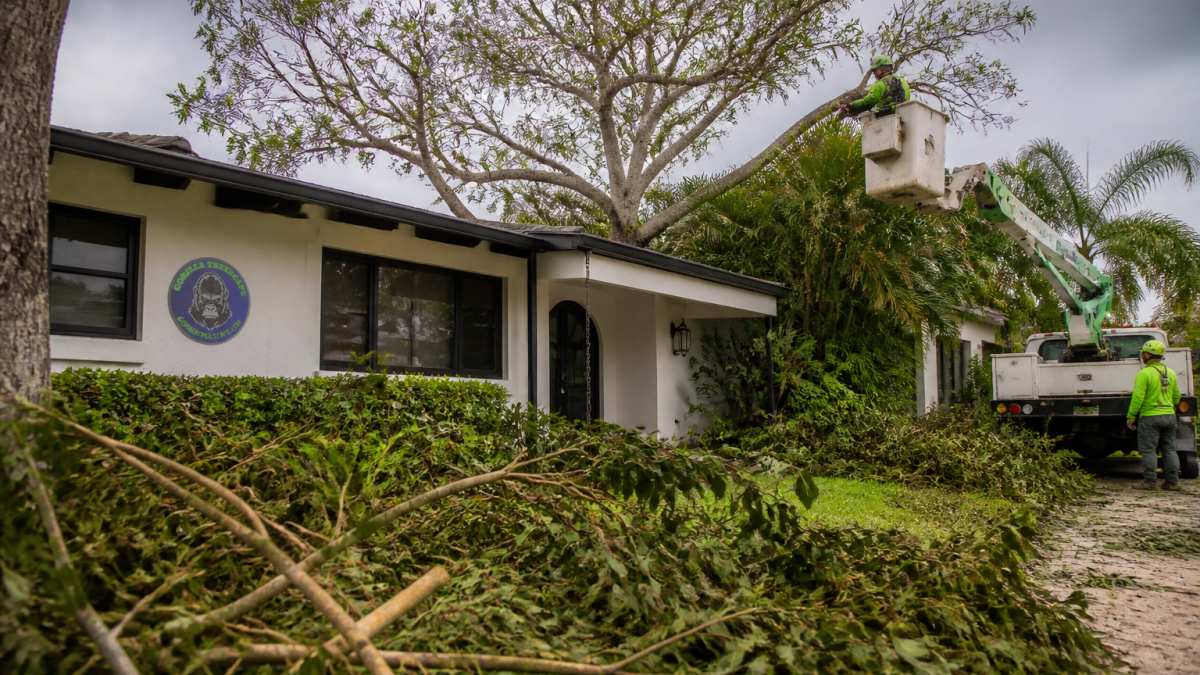
- Systematic removal: Larger trees are sectioned from the top down in a deliberate sequence to control where each section falls.
- Debris removal and site cleanup: A professional crew leaves the site clear, not just the tree removed.
Safety Equipment and Site Safety During Debris Cleanup
DIY cleanup after a storm is one of the leading causes of post-hurricane injuries. If you are handling smaller debris yourself, the minimum safety equipment includes:
- ANSI-rated chainsaw chaps and protective gloves if operating a chainsaw
- Hard hat and eye protection when working near anything overhead
- Steel-toed boots
- High-visibility vest if working near a road or driveway
Never operate a chainsaw alone. Never cut a limb that is under tension without understanding which direction it will spring when released. For anything beyond small branch cleanup, the risk-to-reward calculation strongly favors calling a professional.
City Services vs. Professional Emergency Tree Removal
A common point of confusion after a major storm is understanding what the city will handle versus what falls to the homeowner. The city handles trees in the public right-of-way; everything on private property is your responsibility.
Most municipalities accept 311 service requests for debris removal from public streets and rights-of-way. If a tree from your yard has fallen into the street, the portion blocking the road may be cleared by city crews, but the root ball and trunk remaining on your property are yours to deal with.
Private emergency tree removal is faster, more thorough, and better documented for insurance purposes. City crews are focused on clearing roads, not on the detailed documentation your insurance claim will require.
Homeowners Insurance Tree Removal Coverage Explained
Homeowners insurance tree removal coverage is one of the most misunderstood areas of storm claims. Most standard homeowners policies cover tree removal when the fallen tree has damaged a covered structure. If the tree fell in your yard without hitting anything, coverage is less certain and often limited.
The Insurance Information Institute's guidance on homeowners insurance and trees outlines the general framework: coverage typically applies when a tree falls on a dwelling, detached garage, fence, or other covered structure. Removal of a tree that simply fell on your lawn, without causing structural damage, is frequently excluded or subject to a sub-limit.
Key variables that affect your claim include whether the fallen tree damaged a covered structure, whether the tree was dead or diseased before the storm, your policy's specific sub-limits for debris removal, and whether the storm qualifies as a named peril under your policy.
Documenting Storm Damage for Your Insurance Claim
Documentation is where most homeowners leave money on the table. Strong documentation is the difference between a smooth claim and a protracted dispute.
Do this immediately after the storm, before any cleanup begins:
- Photograph everything from multiple angles: The fallen tree, the point of impact, the damage to the structure, and the surrounding area. Include wide shots that show context.
- Note the date and time on all photos (most smartphones do this automatically in metadata).
- Do not move debris before your adjuster has seen it, unless it is actively causing additional damage or blocking emergency access.
- Keep all receipts for emergency work performed. Even if you paid for emergency bracing or tarping before the adjuster arrived, those costs may be recoverable.
- Get a written estimate from a licensed tree service that itemizes the removal work separately from general cleanup.
Post-Hurricane Scams: How to Hire Safely After a Storm
Storm chasers are real, and South Florida attracts them. After a major hurricane, unlicensed contractors flood affected areas offering fast, cheap emergency tree removal. Some take deposits and disappear. Others do work that creates new liability or violates local ordinances.
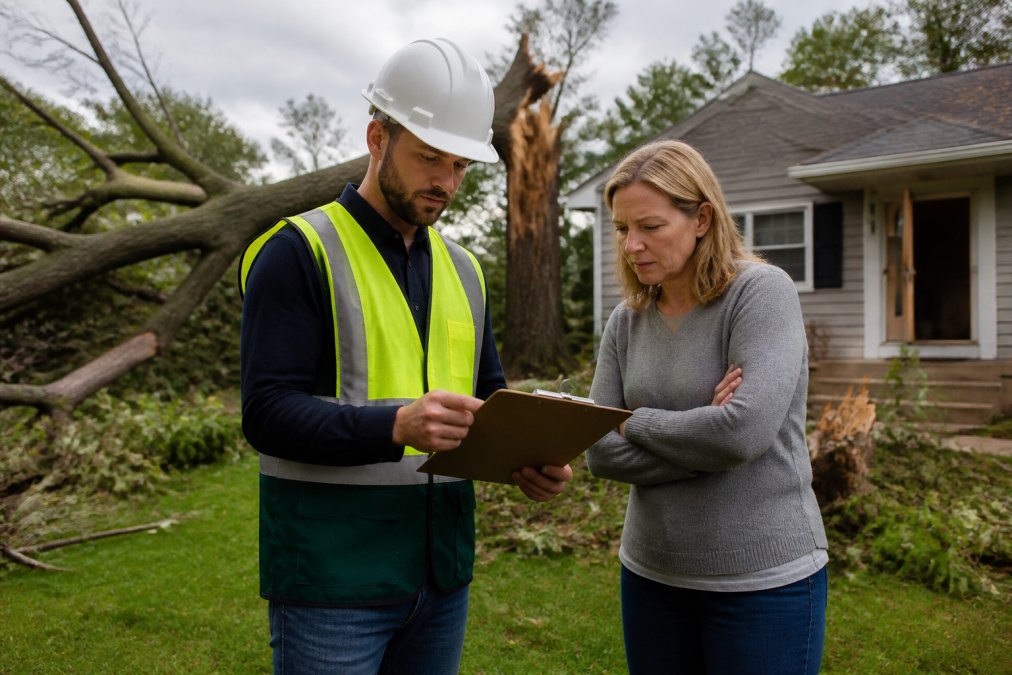
The pressure to act fast is real, but five minutes of verification before you sign anything can save you significant trouble.
How to verify a contractor before you hire:
- Check their license: Tree removal contractors in Florida must be licensed. Verify through the Florida Department of Business and Professional Regulation before work begins.
- Confirm insurance: Ask for a certificate of general liability insurance and workers' compensation. If a worker is injured on your property and the contractor has no workers' comp, you may be liable.
- Get everything in writing: Scope of work, cost, timeline, debris disposal method, and payment terms.
- Avoid large upfront deposits: A reasonable deposit is normal. Paying more than half upfront to an unknown contractor is a risk.
- Check for local presence: A contractor with a verifiable local address, established reviews, and a track record in the area is significantly lower risk than one who appeared after the storm.
The Gorilla Treescape LLC team holds a 5.0 rating across 34 verified reviews. Customers consistently note that Luiz and the team communicate clearly, show up when they say they will, and complete what they start.
Storm damage does not wait for a convenient moment, and neither should your response to it. The difference between a manageable situation and a catastrophic one often comes down to how quickly you identify hazards, document damage, and get the right professionals on site.
Gorilla Treescape LLC provides emergency tree removal and comprehensive post-storm services for residential and commercial properties. With permit handling, professional hazard assessment, and a team that treats your property with the same attention they would give their own, we handle the hard part so you can focus on recovery. Get a quote from Gorilla Treescape LLC and have a plan in place before the season demands one.
Frequently Asked Questions
Q: What is considered emergency tree removal after a hurricane?
A: Emergency tree removal applies when a fallen or damaged tree poses an immediate threat to people, structures, or utilities. This includes trees that have fallen on a roof, are blocking exits, have uprooted root systems lifting toward a foundation, or have hanging limbs over occupied areas. A tree leaning against a power line also qualifies as an emergency. In these situations, waiting for a standard appointment is not safe, a certified arborist should assess and act.
Q: Will homeowners insurance cover tree removal after a hurricane?
A: Homeowners insurance tree removal coverage depends on your specific policy and the cause of damage. Most standard policies cover removal when a tree falls on an insured structure, such as your home, fence, or detached garage. If a tree falls in your yard without hitting a structure, coverage is less common. Document everything with photos before any cleanup begins, file your claim promptly, and ask your insurer specifically about debris removal limits, which are often capped separately from structural repair coverage.
Q: How can I prepare my trees for hurricane season?
A: Start with a professional hazard assessment at least 60 days before hurricane season begins in June. A certified arborist can identify weak branch unions, split trunks, and uprooted root systems that need attention. Structural pruning reduces wind resistance in the tree canopy without harming the tree's health. Remove dead wood, thin dense crowns, and address any leaning trees before the first storm. Some species may need extra attention and may warrant removal before they become a liability.
Q: Who is responsible for tree removal on city property versus private property?
A: Trees rooted on private property are the homeowner's responsibility, even if branches extend over a public sidewalk or neighboring lot. Trees rooted in the public right-of-way, between the sidewalk and the street, are typically the city's responsibility. After a major storm, you can submit a 311 service request for city-owned trees. However, city crews prioritize road clearance and utility restoration first, so private-property hazards need a licensed contractor. When in doubt, a certified arborist can confirm where the root system originates.
This article was written using GrandRanker