 blog
Low Maintenance Exotic Garden Plants: 7 Easy Picks
Table of Contents
- Why Low Maintenance Exotic Garden Plants Work in South Florida
- Drought Tolerant Exotic Plants for Busy Homeowners
- How to Care for Exotic Garden Plants: Step-by-Step
- Fertilizer Schedule for Exotic Gardens in South Florida
- 7 Low Maintenance Exotic Garden Plants to Try
- Common Mistakes with Low Maintenance Exotic Garden Plants
- When to Call a Professional for Your Exotic Garden
- Frequently Asked Questions
Last Updated: September 23, 2026
Why Low Maintenance Exotic Garden Plants Work in South Florida
Low maintenance exotic garden plants are tropical and subtropical species that tolerate heat, humidity, and periods of dry weather with little hands-on care. They suit busy homeowners who want a lush look without a weekly chore list.
At Gorilla Treescape LLC, we design and install these gardens. The right plant list, plus a simple care rhythm, keeps a yard looking full all year.
Three things make exotics work here:
- Warm nights and long summers match their native growing seasons
- Many store water in thick leaves, so they handle dry spells
- Most need feeding and pruning only a few times a year
Below, we break down which plants earn their keep, how to care for them step by step, and the mistakes that turn an easy garden into a hard one.
Drought Tolerant Exotic Plants for Busy Homeowners
Drought tolerant exotic plants are species that survive on rainfall alone once established. They store water in leaves, stems, or roots, so they bounce back after a dry stretch.
The trick is the first few months. New plants need steady water while roots spread. After that, most of the plants on our list need far less.
If you want a garden that mostly takes care of itself, look for these traits:
- Thick, waxy, or fuzzy leaves
- Silver or gray-green color, which reflects heat
- A compact or clumping habit instead of fast, sprawling growth
Grouping plants by water need saves you work. Put the thirstiest types together so one watering pass covers them. For a deeper look at how we plan these beds, see our Florida-Friendly Landscaping program guidance on matching plants to site conditions.
How to Care for Exotic Garden Plants: Step-by-Step
Learning how to care for exotic garden plants comes down to four habits: site matching, soil prep, a watering rhythm tied to the calendar, and a monthly walkthrough. Get these right and most of your garden runs itself.
Most exotic species sold in the trade originate from USDA hardiness zones 10-12, which is why they thrive in the warm, humid stretches of the Southeast, Gulf Coast, and Southern California. Outside those zones, the same plants work as container specimens that move indoors before the first frost.
Step 1: Match the Plant to Your Microclimate, Not Just Your Zone
Your yard has at least three microclimates: the south-facing wall that radiates heat at night, the low spot where cold air pools, and the shaded north side that stays damp. Exotic plants fail more often from a microclimate mismatch than from bad care.
- South and west walls: best for plumeria, crown of thorns, and other sun-lovers that want reflected heat
- Under a tree canopy: best for bromeliads, which want bright shade and filtered light
- Low spots and rain pockets: avoid aloe and other succulents entirely
- Container growing: the escape hatch for anything marginally hardy in your zone
Step 2: Test Soil and Drainage Before Planting
Start with a drainage check. Dig a hole about a foot deep, fill it with water, and see how fast it drains. If water sits for hours, you have a problem.
- Dig a test hole 12 inches deep
- Fill with water and time the drainage
- Amend sandy soil with compost
- Build a raised bed if drainage is poor
- Check that gutters and downspouts flow away from beds
Step 3: Set a Watering Rhythm That Follows the Seasons
New plants need water two to three times a week for the first month. After that, cut back to once a week, then let rain do the work.
- Weeks 1-4: two to three deep waterings per week
- Weeks 5-8: once or twice a week
- Month 3 and beyond: only during dry stretches
- Cooler months: cut back sharply, since most exotics slow their growth
Step 4: Prune and Inspect on a Monthly Walkthrough
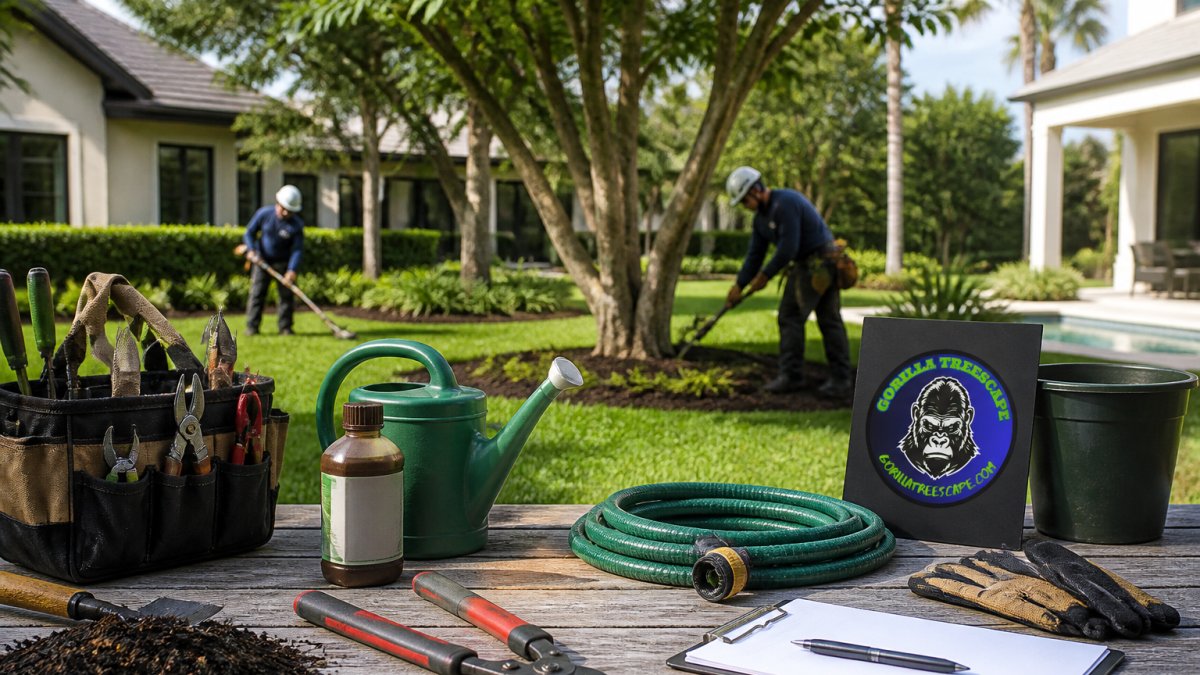
Walk the garden once a month with pruners in hand. This is where small problems get caught before they spread.
Fertilizer Schedule for Exotic Gardens in South Florida
A fertilizer schedule for exotic gardens should be light and seasonal, not constant. Most exotic plants burn easily when fed too much, especially in sandy soil.
Here is a simple yearly plan:
| Season | What to Do | How Often |
|---|---|---|
| Spring | Balanced slow-release feed | Once |
| Summer | Light feed for heavy bloomers | Every 6-8 weeks |
| Fall | Stop feeding | None |
| Winter | No feeding, reduce water | None |
A few rules keep feeding simple:
- Never feed a dry plant, water first
- Skip fertilizer on newly planted stock for the first month
- Cut back on nitrogen if you see lots of leaves and few flowers
7 Low Maintenance Exotic Garden Plants to Try
These seven plants handle heat, humidity, and neglect better than most. Each profile below lists the zone range, mature size, bloom window, and the one thing that kills it, so you can match the plant to your actual yard instead of guessing.
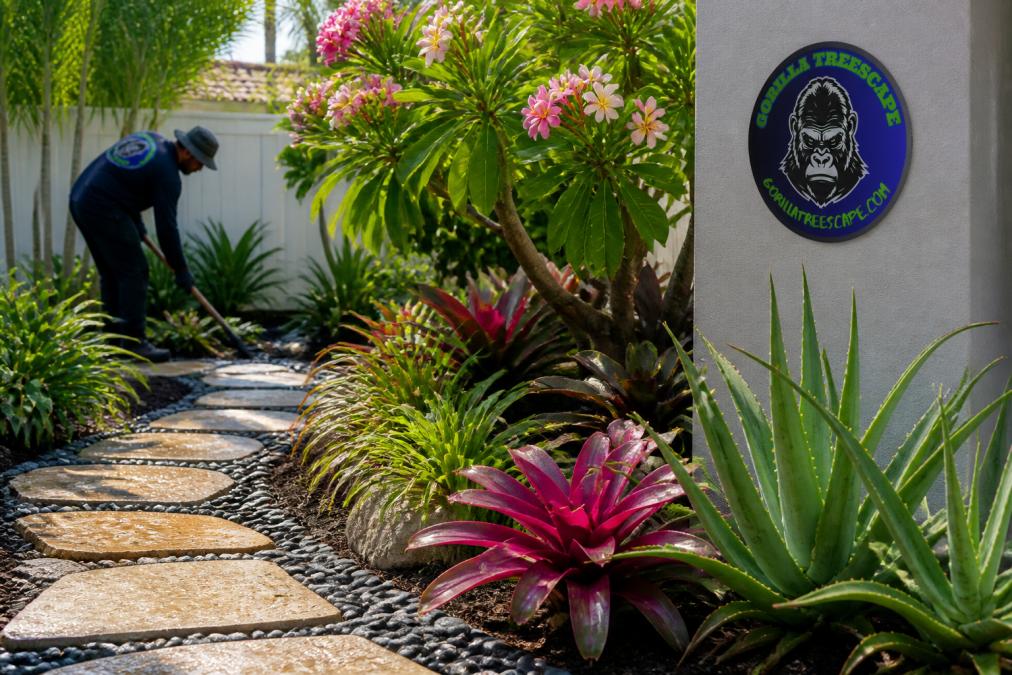
1. Bromeliads
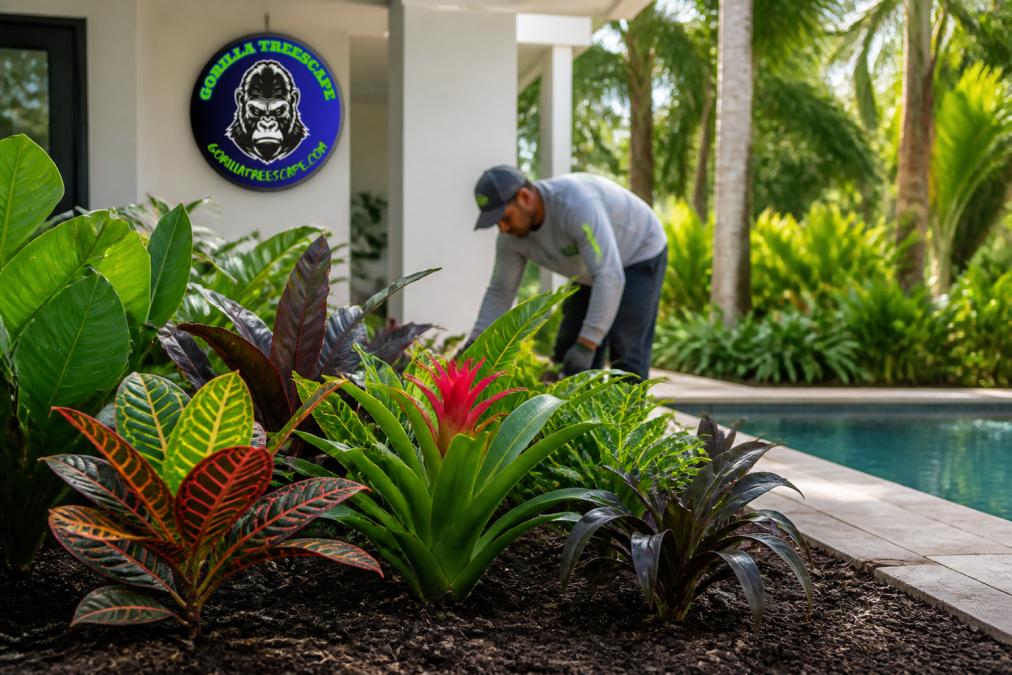
Bromeliads are rosette-shaped plants that hold water in a central cup. Most garden varieties are hardy in zones 9-11 and stay under two feet tall, which makes them ideal for the front of a bed or a shaded border.
2. Crown of Thorns
Crown of thorns is a succulent shrub with thorny stems and near-constant blooms. It is hardy in zones 10-11, grows three to four feet tall in the ground, and flowers almost year-round in warm weather.
3. Bird of Paradise
Bird of Paradise brings a bold tropical look with large leaves and orange-and-blue flowers. It is hardy in zones 10-12 and can reach five to six feet tall, so give it room from the start.
4. Queen's Wreath Vine
Queen's wreath vine is a fast climber covered in pink-purple flower clusters. It is hardy in zones 9-11 and can cover a trellis or pergola in a single season.
5. Plumeria
Plumeria is the classic lei flower, and it thrives in heat and full sun. It is hardy in zones 10-11 and grows as a small tree or large shrub, typically ten to fifteen feet tall over many years.
6. Aloe Vera
Aloe vera is a succulent that stores water in thick, spiky leaves. It is hardy in zones 9-11 and stays under two feet tall, which makes it a good container or border plant.
7. Hibiscus
Hibiscus delivers large, bright flowers nearly year-round in warm weather. Tropical varieties are hardy in zones 9-11 and grow six to eight feet tall with a similar spread.
Common Mistakes with Low Maintenance Exotic Garden Plants
Other common errors we see:
- Planting before fixing drainage, then losing plants to rot
- Watering a little every day instead of deeply once a week
- Feeding in winter, which pushes weak growth
- Skipping the monthly walkthrough until pests take over
- Crowding plants so air cannot move between them
A little attention at the right times beats constant fussing. That is the whole idea behind a low-effort garden.
When to Call a Professional for Your Exotic Garden
Call a professional when drainage, grading, or plant loss keeps repeating. Those problems usually start below the surface, not in the plant selection.
Signs it is time to get help:
- Water pools in beds after rain
- Plants die in the same spot year after year
- You want a full design, not just a few replacements
- Storm damage leaves trees or large plants unsafe
- An HOA or commercial property needs a consistent look
Frequently Asked Questions
What are the easiest exotic plants to grow in a residential garden?
Bromeliads, aloe vera, crown of thorns, and plumeria are among the easiest exotic garden plants for South Florida. They handle heat and humidity well, need little watering once established, and tolerate sandy soil. Bromeliads and aloe vera also work in containers on patios or balconies, which suits townhome yards with limited space.
Do exotic garden plants need special soil or fertilizer?
Most exotic garden plants prefer well-draining soil. In South Florida, mixing in organic matter helps sandy ground hold some moisture without staying soggy.
How can I keep my exotic garden looking lush with minimal maintenance?
Group plants with similar water and light needs so you can care for them together. Use mulch to hold moisture and block weeds. Set a monthly walkthrough to check for pests and trim dead growth. Choose drought tolerant exotic plants for the sunniest spots, and save thirstier varieties for shaded areas near the house.
Are there exotic plants that are drought-tolerant?
Yes. Aloe vera, crown of thorns, and many bromeliads store water in their leaves and survive dry spells once established. Plumeria also handles drought well after its first year. These plants suit South Florida yards where irrigation is limited or where you want a garden that survives a dry spring without daily watering.
A lush exotic garden should not eat your weekends. The right plant list, correct drainage, and a simple seasonal routine keep it looking full with minimal effort. Gorilla Treescape LLC can design and install a garden matched to your space, handle permits and project management, and keep it healthy with ongoing maintenance. Get started with Gorilla Treescape LLC and enjoy a yard that looks after itself.