 listicle
Best Exotic Plants for South Florida Landscapes
Table of Contents
- Best Exotic Plants for South Florida: Our Top Picks
- Feature Comparison Table
- How We Evaluated These Exotic Plants
- Best Flowering Tropical Shrubs for Year-Round Color
- Low-Maintenance Tropical Plants for Landscaping
- How to Care for Exotic Plants in Humid Climates
- Which Exotic Plants Should You Pick?
- Conclusion
- Frequently Asked Questions
Last Updated: September 8, 2026
South Florida's subtropical climate can grow nearly anything, but it punishes the wrong choice with scorching sun, salt-laden wind, and sandy, fast-draining soil. Finding the best exotic plants for south florida isn't about picking the most striking foliage at the nursery; it's about matching a plant's tolerance for heat, humidity, and poor soil to your specific yard conditions. At Gorilla Treescape LLC, we design and install exotic landscapes, and we've learned which species deliver that lush, tropical paradise look without becoming a maintenance headache.
The most common mistake homeowners make is choosing plants for their flowers alone, ignoring the fact that the plant must survive the rainy season's deluge and the dry season's drought. This guide breaks down our top picks by category and covers the care routines that keep exotic plants thriving in our humid climate.
Best Exotic Plants for South Florida: Our Top Picks
Exotic plants are species not native to the region that have adapted well to its subtropical conditions. The best exotic plants for south florida balance dramatic tropical foliage with genuine resilience to local stressors like salt spray, alkaline soil, and seasonal temperature swings. We prioritize species that are drought-tolerant once established, pest-resistant, and capable of providing year-round structure or color.
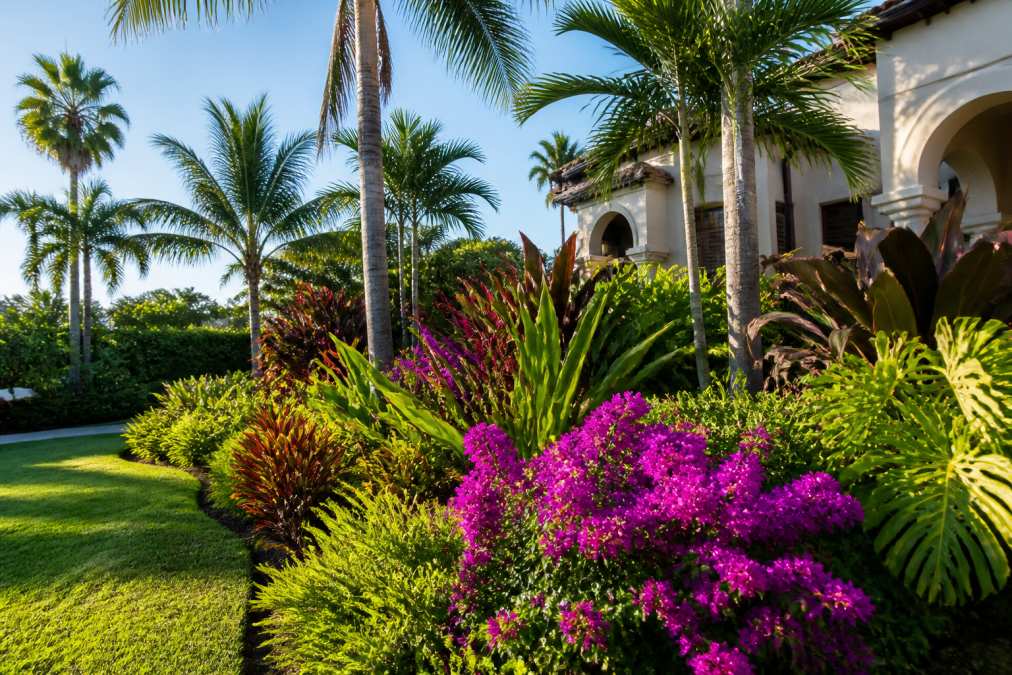
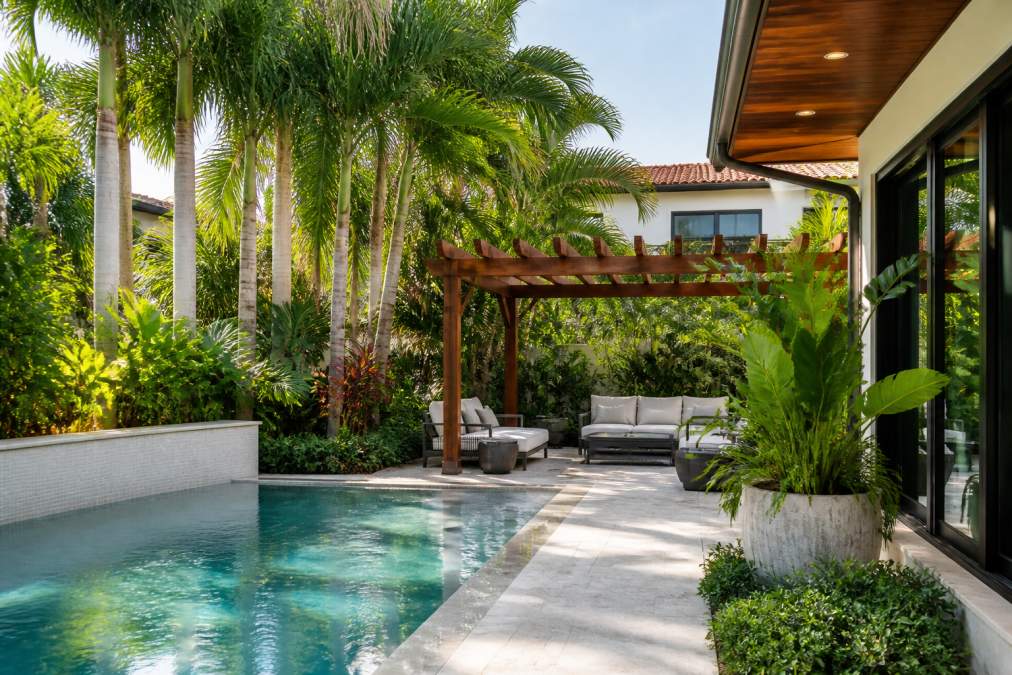
For most properties, a layered design is often recommended: a canopy of palms for height, a mid-layer of flowering shrubs for color, and a ground layer of low-maintenance tropical foliage for texture. The species below are consistent performers for homeowners seeking that curated, resort-style aesthetic.
Feature Comparison Table
| Plant Type | Best Use | Sun Requirement | Salt Tolerance | Maintenance Level |
|---|---|---|---|---|
| Flowering Shrubs | Accent color, foundation planting | Full sun to partial shade | Moderate to high | Low to moderate |
| Palms | Height, privacy screening, specimen plants | Full sun | High | Low |
| Low-Maintenance Foliage | Ground cover, borders, container gardening | Partial shade to full sun | Varies | Very low |
| Native & Exotic Mix | Biodiversity, pollinator-friendly | Varies | Varies | Low |
How We Evaluated These Exotic Plants
Our evaluation process goes beyond visual appeal. We assess each species against the specific environmental challenges of South Florida, drawing on research-backed guidance from the University of Florida's IFAS Gardening Solutions and local botanical resources like Fairchild Tropical Botanic Garden. The core criteria are survival rate in local soil conditions, water requirements, pest resistance, and the plant's ability to serve a clear landscape function.
A plant that needs constant fertilization and irrigation to look good is a liability, not an asset. We prioritize species with proven track records in the region's alkaline, sandy soils and those that tolerate the seasonal shifts between heavy rain and drought.
Best Flowering Tropical Shrubs for Year-Round Color
For continuous seasonal bloom, the best flowering tropical shrubs are those that flower repeatedly rather than in a single burst. Hibiscus varieties, including the Fiesta Hibiscus, are a staple for full sun areas and provide large, showy blooms. Another top performer is the dwarf poinciana, which offers feathery foliage and orange-red flowers throughout the warm months, making it an excellent accent plant for foundation planting.
Flowering shrubs in our region need regular feeding to sustain that bloom cycle. When planting, ensure soil drainage is adequate; these shrubs dislike "wet feet" and will develop root rot in poorly drained clay.
Low-Maintenance Tropical Plants for Landscaping
If you want the look without the labor, low-maintenance tropical plants for landscaping are the answer. This category includes species like the schefflera, croton, and various philodendrons that provide bold foliage texture and thrive with minimal intervention. These plants fill space, suppress weeds, and require little more than occasional pruning and mulching.
The key to low-maintenance success is choosing plants that match your irrigation requirements. Grouping plants with similar water needs together, a practice known as hydrozoning, prevents overwatering and underwatering. Many of these foliage plants are also well-suited to container gardening, which gives you control over soil quality and lets you move specimens to adjust for sun exposure.
How to Care for Exotic Plants in Humid Climates
Caring for exotic plants in South Florida isn't about a single routine; it's about adapting to two distinct seasons that demand opposite approaches.
The Rainy Season (May-October): Managing Excess
During these months, afternoon downpours are the norm. Your primary job shifts from watering to protecting your plants from too much moisture.
- Watering: Stop all supplemental irrigation once the regular rains begin. Overwatering is the leading cause of root rot in exotic species like hibiscus and ixora. The goal is to let the top inch of soil dry out between rain events.
- Fungal Prevention: The combination of heat and humidity is a breeding ground for fungal pathogens like Fusarium wilt and powdery mildew. Increase airflow by pruning back dense growth and avoid working in the garden when foliage is wet, as this spreads spores. Apply a preventative copper-based fungicide to susceptible plants like bananas and gingers before the rains peak.
- Fertilization: This is the active growing season. Use a slow-release, granular fertilizer (e.g., an 8-4-12 or similar palm-special formula) in early June and again in early August. The steady moisture helps break down the granules, feeding the plant during its peak growth phase.
The Dry Season (November-April): Managing Deficit
When the rains stop, the limestone-based, sandy soil drains quickly and can become bone-dry. This is the period that stresses many exotic plants that are not truly drought-tolerant.
- Watering: Switch to deep, infrequent watering. Instead of a daily sprinkle, water thoroughly 1-2 times per week, depending on your specific soil. The goal is to saturate the root zone to encourage roots to grow downward, making the plant more resilient. A simple rain gauge or soil moisture probe can help you avoid guessing.
- Salt Spray and Wind: During the dry season, especially in coastal areas, prevailing winds can carry salt spray that desiccates leaves and burns leaf tips. Rinse foliage with fresh water from your hose in the early morning if you live within a few miles of the coast. This simple act washes away salt crystals before they cause cellular damage.
- Fertilization: Stop fertilizing by late October. Forcing new growth during the cooler, drier months produces soft, vulnerable tissue that is easily damaged by cold snaps and pests.
Soil pH and Salinity: The Hidden Variable
South Florida’s soil is predominantly alkaline (pH 7.5-8.5) due to the underlying limestone. This high pH locks up micronutrients like iron and manganese, causing chlorosis (yellowing leaves) in acid-loving exotics like ixora and gardenias. A common pattern is a plant with yellow leaves and green veins, a clear sign of iron deficiency.
- The Fix: Don't just add more fertilizer. Apply a chelated iron supplement (specifically EDDHA iron) directly to the soil or as a foliar spray. This form remains available to the plant even in high-pH soils. For container plants, you have the advantage of complete control, use a high-quality, soilless potting mix with added perlite to ensure drainage and a slightly more acidic pH.
- Salinity: If you live near the coast, salt accumulation in the soil can be an issue. Symptoms include leaf tip burn and stunted growth. The best defense is to ensure your soil has good organic matter, which helps buffer against salt, and to water deeply to leach salts below the root zone periodically.
Pest Management: A Troubleshooting Approach
Exotic plants are often more susceptible to pests that are native to the region. The most common culprits you’ll encounter are:
- Spiraling Whitefly: This pest is a major problem on many ornamentals, including gumbo limbo and bird of paradise. Look for white, waxy spirals on the underside of leaves and sooty mold on the upper surface. Control requires a systemic insecticide applied to the soil, as contact sprays rarely reach the nymphs protected by the waxy coating.
- Scale and Mealybugs: These sap-sucking insects often appear on new growth. For light infestations, a strong jet of water or horticultural oil (neem oil) is effective. For heavy infestations, a systemic drench is the most reliable method.
- Caterpillars: The giant swallowtail butterfly lays eggs on citrus and other rutaceae family plants (floridamuseum.ufl.edu). While the caterpillars can defoliate a small plant, they are the larval stage of a beautiful native butterfly. Most sources recommend hand-picking them off or tolerating minor damage rather than using broad-spectrum insecticides.
By understanding these seasonal shifts and the unique chemical properties of your soil, you move from simply keeping plants alive to actively promoting vigorous, resilient growth that withstands the challenges of the region.
Which Exotic Plants Should You Pick?
Your final choice hinges on your property's specific conditions, your maintenance tolerance, and, critically, your available space. With a large portion of the population living in condos, townhomes, or homes with strict HOA covenants, container gardening is not a compromise, it's a strategic advantage.
The Standard Landscape Framework
For those with in-ground planting areas, the decision matrix is straightforward:
- Full sun, salty air, want privacy: Choose salt-tolerant palms like the Coconut Palm or Silver Palm (Coccothrinax) and dense hedge varieties like Sea Grape or Clusia. These are proven performers in coastal conditions.
- Partial shade, want color: Select flowering shrubs that tolerate filtered light, such as Pentas or Rivina (also known as bloodberry). These provide consistent color without the stress of full, harsh sun.
- Low maintenance is priority: Stick to foliage plants like Croton varieties, Philodendron, or Schefflera. They provide bold texture and are forgiving of neglect.
- Concerned about drainage: Use raised beds or containers to control soil conditions. This is the single most effective way to manage South Florida's alkaline, sandy soil.
The Container Gardening Advantage for Exotic Plants
If you live in a condo or have limited yard space, container gardening allows you to cultivate exotic species that would otherwise struggle in the ground. This approach gives you absolute control over soil pH, drainage, and sun exposure, the three variables that cause the most failures.
Here are the best exotic plants for container life in South Florida:
- Dwarf Palms: The Pygmy Date Palm and Bottle Palm are excellent choices for large pots on balconies or patios. They provide the vertical, tropical structure of a full-size palm without the aggressive root system. Use a pot at least 18-24 inches in diameter to give the roots room to grow.
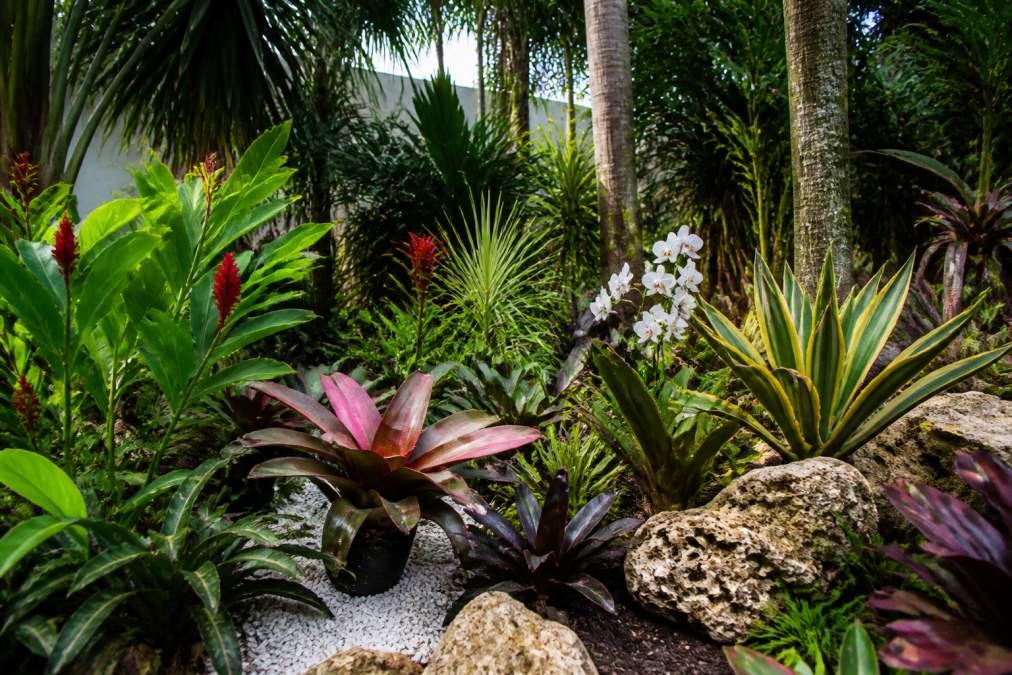
- Bromeliads: These are the ultimate container plants. They thrive in filtered light, need minimal soil, and their central cup holds water, making them incredibly drought-tolerant. They are also a natural mosquito attractant if water is left to stagnate, so flush the cup weekly.
- Hibiscus: While they can be planted in the ground, container-grown hibiscus allows you to move them to protected areas during a cold snap or to adjust for changing sun patterns. Use a high-quality potting mix and ensure the pot has excellent drainage.
- Plumeria: These fragrant, flowering trees are ideal for containers. They prefer to be root-bound, which encourages more prolific blooming. During the dry season, they will drop their leaves and go dormant, this is normal. Reduce watering and let them rest.
Container-Specific Care Rules
Container plants have different needs than their in-ground counterparts:
- Soil: Use a premium, well-draining potting mix, not garden soil. Garden soil compacts in pots and suffocates roots. Add perlite or coarse sand to improve drainage.
- Watering: Containers dry out much faster than the ground. During the dry season, you may need to water daily. During the rainy season, ensure pots have drainage holes and are not sitting in saucers of standing water.
- Fertilization: Because frequent watering leaches nutrients, container plants need more regular feeding. Use a water-soluble fertilizer at half-strength every two weeks during the growing season.
- HOA and Balcony Considerations: Check your HOA rules regarding balcony plantings. Some restrict the weight of containers or the visibility of plants from the street. A well-designed container garden is often more acceptable to HOAs than a sprawling in-ground landscape.
Conclusion
Building a resilient exotic landscape in South Florida is about matching the right plant to the right place, understanding the local climate's demands, and committing to a care routine that addresses humidity, soil, and pests. The payoff is a lush, vibrant outdoor space that enhances your property's curb appeal and provides a personal retreat.
At Gorilla Treescape LLC, our team specializes in Miami-inspired modern garden designs and comprehensive property maintenance. We handle everything from custom plant installation to ongoing care, ensuring your landscape remains healthy and beautiful through every season. Get A Quote and let us bring your vision of a tropical paradise to life.
Frequently Asked Questions
What are the best low-maintenance tropical plants for landscaping?
For South Florida landscapes, look for plants that tolerate heat, humidity, and occasional dry spells. Silver buttonwood, crown of thorns, and firebush are excellent low-maintenance choices. These species are drought-tolerant once established and require minimal pruning. They also offer pest resistance and adapt well to the local soil. Grouping them by water needs simplifies your irrigation schedule and keeps your garden looking lush without constant attention.
Which tropical plants bloom all year long in this climate?
Several exotic plants reward South Florida gardeners with nearly non-stop blooms. Hibiscus, bougainvillea, and pentas are famous for their ability to flower throughout the year in this subtropical climate. To maximize the seasonal bloom, plant them in full sun and feed them with a slow-release fertilizer formulated for flowering shrubs. Removing spent flowers, a practice called deadheading, also encourages the plant to produce new buds rather than seeds.
How do I choose exotic plants for my specific soil type?
Start by testing your soil's pH and drainage. South Florida soils range from alkaline, sandy limestone to acidic, organic muck. Many exotic plants prefer slightly acidic conditions, but species like crown of thorns and bougainvillea tolerate the alkaline soil common near the coast. If your soil is heavy clay, consider container gardening or building raised beds. Amending the soil with compost improves drainage and provides essential nutrients for establishing new plantings.
How do I care for exotic plants during the rainy and dry seasons?
Adjust your irrigation schedule to match the season. During the rainy season, from roughly May through October, most established tropical plants need little to no supplemental watering. Overwatering can cause root rot. In the dry season, from November through April, water deeply but less frequently to encourage deep root growth. A layer of organic mulch helps retain soil moisture and regulates soil temperature. Always check the soil moisture before watering.
Are there exotic plants that can handle salt spray near the coast?
Yes, several exotic plants exhibit strong salt tolerance, making them ideal for coastal properties in South Florida. Sea grape, coco plum, and silver buttonwood are excellent choices for areas exposed to salt spray. These species have adapted to thrive in challenging coastal environments. They also require less water than many other tropicals. When selecting plants for a coastal landscape, prioritize salt tolerance to ensure your garden remains lush and healthy.