 listicle
Backyard Oasis Design Trends for 2026
Table of Contents
- Outdoor Rooms and Defined Living Spaces
- Backyard Oasis Ideas That Work in Any Space
- Hardscape Design Trends Shaping Modern Yards
- Sustainable Planting and Climate-Conscious Landscaping
- Low-Maintenance Backyard Landscaping for Busy Homeowners
- Outdoor Lighting Ideas and Smart Technology
- Budget Reality and Small-Space Adaptations
- Frequently Asked Questions
Last Updated: October 18, 2026
Outdoor Rooms and Defined Living Spaces
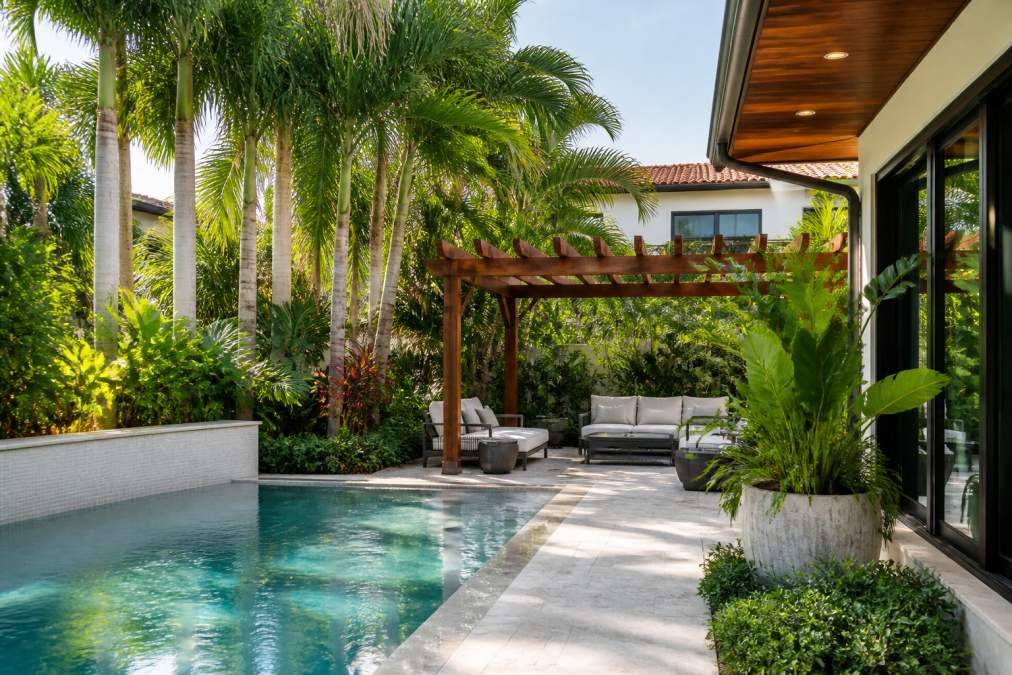
A backyard oasis design starts with one shift: treat your outdoor space like a room, not just a yard.
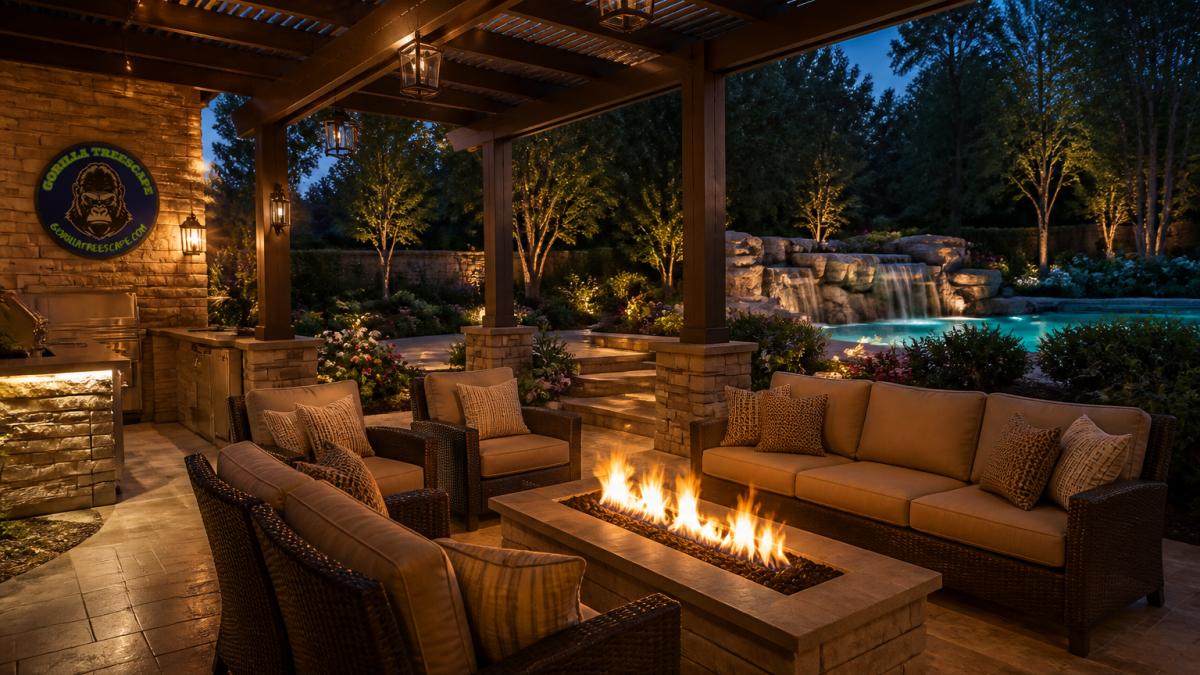
Modern backyard oasis ideas center on outdoor rooms: distinct areas with purpose, a dining zone, a lounge area, a quiet corner retreat.
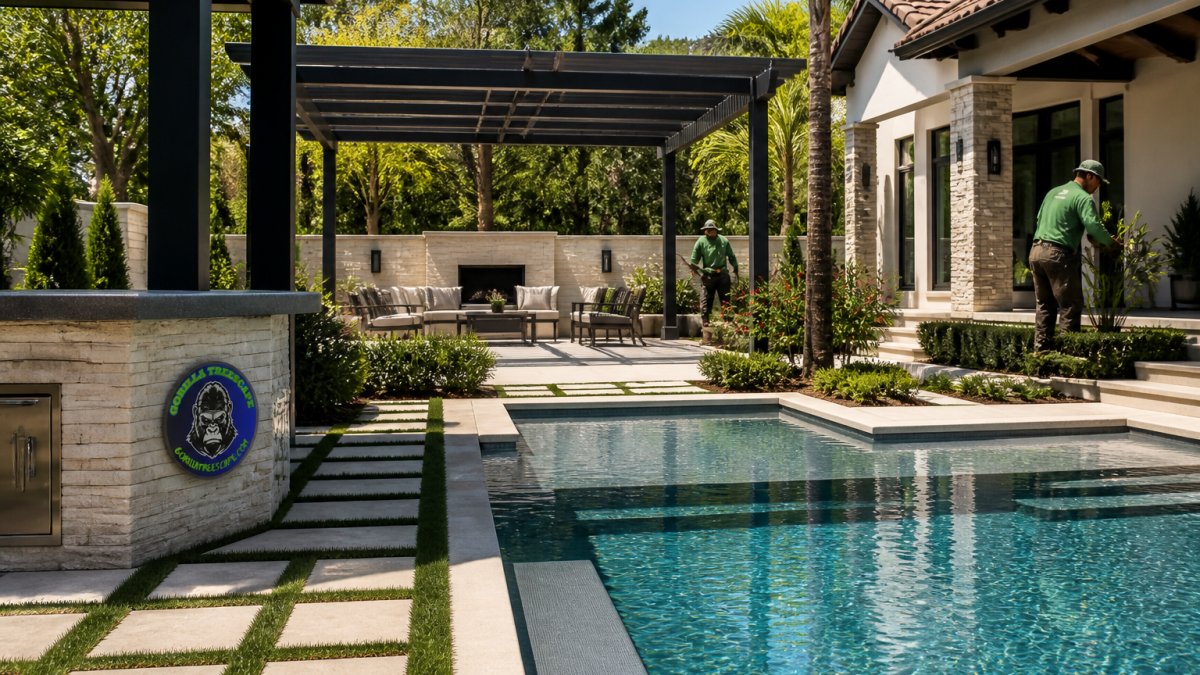
At Gorilla Treescape LLC, we help homeowners translate their vision into a functional, beautiful space. Whether you're starting from scratch or refining an existing layout, Landscaping And Outdoor Living Design can help.
Multi-Functional Layouts and Zoning
The key to maximizing any backyard is flexibility. A multi-functional layout lets one space serve multiple purposes: your dining area becomes a weekday workspace, your seating zone a weekend entertainment hub.
Zoning creates these transitions naturally. Use hardscape elements like pavers, decking, or raised planters to define boundaries, no walls or fences needed.
Small yards benefit most: a 400-square-foot backyard with clear zones feels more spacious than a 600-square-foot yard of open lawn.
Seamless Indoor-Outdoor Transitions
The best backyard oasis design trends for 2026 blur the line between inside and outside by matching materials, colors, and sightlines so home and yard feel connected.
Start with your sightlines. If the view out your back door is a chaotic mix of plants and hardscape, create a focal point, a seating area, water feature, or garden bed, and frame it with plantings so the eye knows where to land.
Flooring transitions matter too. If your kitchen opens to a patio, choose natural stone, composite decking, or pavers that echo your home's color palette so the transition feels intentional, not abrupt. Driveways & Decks can help you select and install materials that create that seamless flow between indoors and out.
Backyard Oasis Ideas That Work in Any Space
Size doesn't determine success. The backyard oasis ideas that work best are tailored to your actual yard, not your dream yard.
Small-space adaptations are essential. Vertical elements, trellises, green walls, tall planters, add interest without consuming square footage. Multifunctional furniture and light-colored surfaces maximize utility and the illusion of space.
For larger yards, too much open space feels empty.
Hardscape Design Trends Shaping Modern Yards
Hardscape, the non-plant elements of your landscape, sets the foundation for everything else. Modern trends emphasize authenticity, durability, and visual warmth: natural stone over concrete, curves over straight lines, earth tones over sterile gray.
The shift reflects a broader movement toward landscapes that feel lived-in and grounded. Your backyard should feel like an extension of nature, not a rejection of it.
Natural Materials and Authentic Textures
Natural materials anchor a modern backyard oasis design.
Layered textures prevent monotony: pair smooth stone with rough gravel, sleek decking with rustic metal railings, polished concrete with weathered wood.
Wood remains timeless. Composite decking offers durability and low maintenance, but properly treated natural wood has an authenticity that is hard to match.
Outdoor Kitchens and Dining Integration
Outdoor kitchens have evolved from luxury extras to essential backyard features, extending your living space and transforming how you entertain.
Modern outdoor kitchens prioritize workflow.
Dining integration means a clear connection between cooking and eating zones, a 6-foot distance is ideal. Overhead shade from a pergola or umbrellas keeps the dining area comfortable year-round.
Sustainable Planting and Climate-Conscious Landscaping
The landscaping choices you make today determine your yard's health and maintenance burden for years. Climate-conscious planting means selecting species adapted to your local conditions rather than fighting them, covering regional strategy, water management, and the maintenance trade-offs that decide whether a sustainable landscape stays sustainable.
Native Plants and Regional Strategy
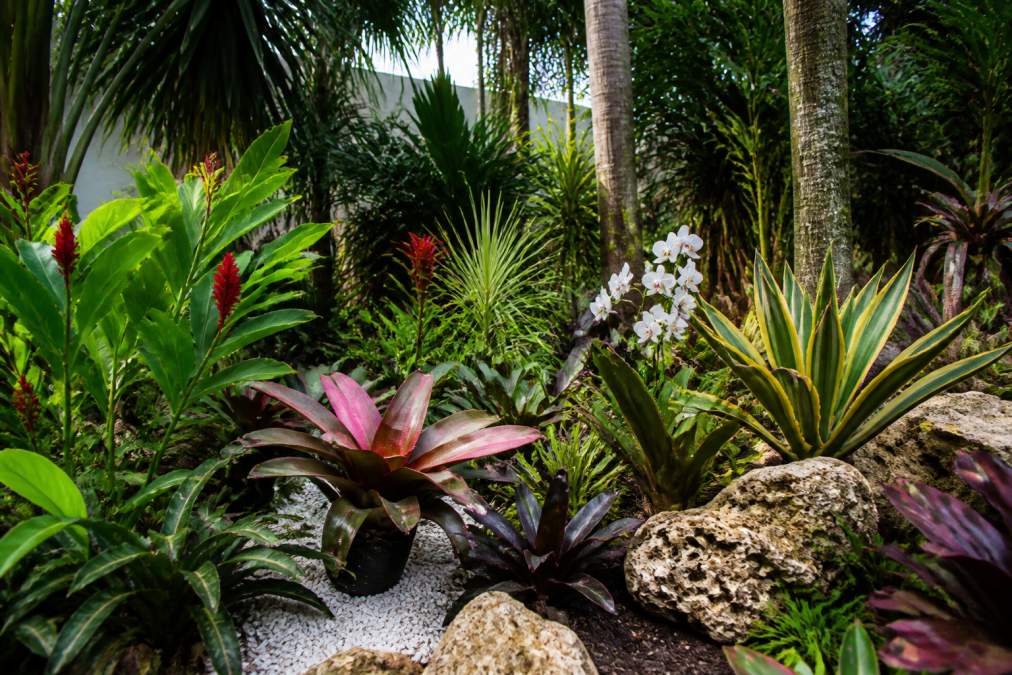
Native plants form the backbone of sustainable backyard design because they evolved in your local climate and soil, surviving on minimal supplemental water or fertilizer.
The practical step is to identify your regional plant community. Most states have a native plant society or a university extension service that publishes recommended species lists by ecoregion. A common pattern is to build a palette in three layers:
- Structural natives: trees and large shrubs that provide shade, screening, and habitat.
- Mid-layer natives: grasses and perennials that add seasonal color and support pollinators.
- Groundcover natives: low-growing species that suppress weeds and reduce mulch needs.
A mixed planting approach combines natives with climate-adapted ornamentals for design flexibility and resilience. Group ornamentals by water need rather than mixing them randomly, since some demand more care than true natives.
Water Management Beyond Plant Choice
Water-wise design goes beyond plant selection to grading that manages runoff, mulching that retains moisture, and efficient irrigation.
- Grading and drainage: Slope grades away from the foundation and toward planted swales or rain gardens. This manages stormwater on-site rather than sending it to the street.
- Mulch depth: Two to three inches of organic mulch reduces evaporation and moderates soil temperature. Keep mulch pulled back from stems to prevent rot.
- Smart irrigation: Controllers that adjust based on local weather data and soil moisture sensors prevent overwatering, which is as damaging as drought.
Maintenance and Lifecycle Trade-offs
Sustainability is not the same as zero maintenance. Comparing upkeep, durability, and seasonal care helps you choose materials and plantings that fit your actual schedule.
- Native planting beds: Low watering and fertilizing needs once established, but they require weeding during establishment (often the first two seasons) and annual cutback for many grasses and perennials.
- Lawn alternatives: Clover, sedge, and native groundcovers reduce mowing but may need more frequent edging to stay tidy.
- Synthetic turf: Eliminates mowing and watering but requires periodic cleaning, can heat up in full sun, and has a finite lifespan (often 15-20 years) before replacement.
- Natural stone hardscape: Ages gracefully and lasts decades, but may need occasional resealing depending on stone type.
Low-Maintenance Backyard Landscaping for Busy Homeowners
Maintenance separates dream yards from lived-in yards. A backyard oasis design that requires 20 hours of weekly upkeep isn't an oasis, it's a job.
Modern design trends emphasize low-maintenance solutions that still look polished: plants that don't need constant pruning, hardscape that ages gracefully, and systems that work with minimal intervention. Landscaping & Pool Maintenance can help keep your design looking fresh year-round with minimal effort on your part.
Busy homeowners benefit from automation. Smart irrigation, timed outdoor lighting, and automated misting reduce the mental load, set the system and it handles routine tasks.
Lawn Alternatives and Synthetic Solutions
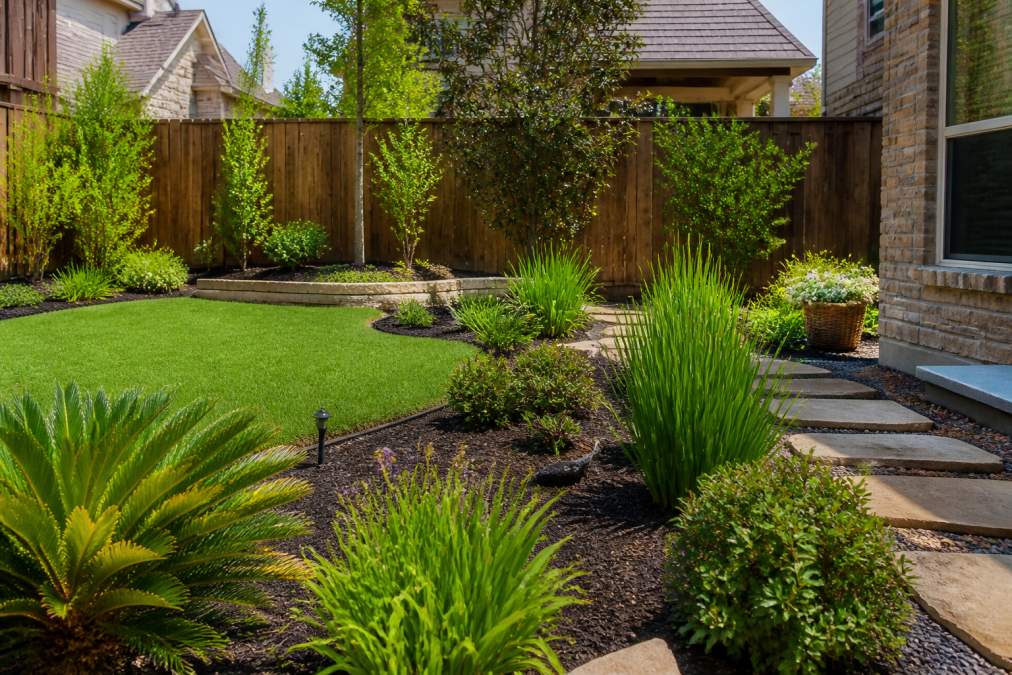
Traditional lawn requires regular mowing, watering, and fertilizing, no longer practical or desirable for many homeowners. Lawn alternatives offer visual appeal with lower maintenance.
Synthetic turf has improved dramatically, it looks natural, feels softer, drains properly, and eliminates mowing, water, and chemicals.
Hardscape alternatives include gravel, mulch, and permeable paving, which reduce maintenance while supporting drainage and plant health.
Outdoor Lighting Ideas and Smart Technology
Lighting transforms a backyard oasis design from day-only to 24-hour retreat, extending usability, enhancing safety, and creating ambiance after dark.
Modern outdoor lighting ideas balance function and aesthetics: enough light to navigate safely, but not so much that you wash out the landscape. The goal is layered lighting.
Layered Lighting for Ambiance and Function
Layered lighting combines task lighting for pathways, stairs, and work areas; ambient lighting for overall visibility in gathering spaces; and accent lighting for architectural features, plants, or water elements.
This prevents the harsh, over-lit look of security lighting while ensuring safety. A well-lit backyard feels welcoming and secure without feeling like a parking lot.
Smart Automation and Wellness Features
Smart outdoor technology is increasingly standard: automated lighting adjusts to time of day or motion, smart irrigation responds to weather, and outdoor speakers and climate control create immersive experiences.
Wellness features reflect a growing priority: shade structures protect from sun, water features provide soothing sound, and seating positioned for social connection encourages gathering.
Budget Reality and Small-Space Adaptations
The gap between backyard oasis design trends and implementation comes down to budget and space. Here are the numbers and sequencing to turn a vision into a funded, phased project.
Realistic Cost Ranges by Feature
Costs vary by region, site access, and material grade. Treat them as planning anchors, not quotes. Pricing depends on quantity, dates, and delivery. Get A Quote for current prices.
What Actually Drives Cost
Square footage is only one variable. The bigger cost drivers:
- Site access. A narrow side gate or steep slope can add significant labor to move materials and equipment.
- Utility runs. Extending gas, electrical, or water to an outdoor kitchen or pool is often the single largest line item after the structure itself.
- Drainage and grading. Proper stormwater management is non-negotiable and frequently underestimated.
- Material grade. Natural stone versus pavers, cedar versus composite, and built-in versus modular kitchens each shift the budget meaningfully.
- Permits and inspections. Pools, structural pergolas, and gas lines typically require permits; fees and inspection timelines vary by jurisdiction.
A Phased Implementation Sequence
Spreading costs over two to three years is common, and sequencing matters more than most homeowners expect. Do the work in this order:
- Drainage, grading, and utilities first. These are the hardest and most expensive items to retrofit later. Trenching for gas, electrical, and water before hardscape goes down saves money and disruption.
- Hardscape and structural elements next. Patios, decks, pergolas, and retaining walls define zones and set the foundation for everything else.
- Planting after hardscape. Trees and beds are easier to place once paths and structures are fixed, and planting after construction avoids damage.
- Lighting and irrigation. Low-voltage lighting and smart irrigation are best installed once layout is final.
- Furnishings and features last. Outdoor kitchens, fire features, and furniture can be added as budget allows without reworking the base.
Small-Space Adaptations That Save Money
Small yards aren't automatically cheaper, but they reward intentional design. A 300-square-foot patio with clear zones often costs less than a poorly planned half-acre because every dollar goes to visible, usable impact.
- Vertical elements (trellises, green walls, tall planters) add interest without consuming square footage.
- Multifunctional furniture (storage ottomans, benches with built-in planters) maximizes utility per dollar.
- Mirrors and light-colored surfaces reflect light and create an illusion of space at low cost.
- Renter-friendly, reversible options, container gardens, freestanding pergolas, plug-in lighting, and portable fire pits, deliver much of the oasis effect without permanent installation or permitting.
Frequently Asked Questions
How do I create a backyard oasis design on a tight budget?
Start with one focal point, a seating area, water feature, or pergola, rather than attempting everything at once. Prioritize hardscape elements like patios and pathways, which anchor the space and define zones. Use native plants and low-maintenance groundcover to reduce ongoing costs. Many homeowners phase projects over 12-24 months, spreading expenses while building the oasis gradually. Focus on what brings you daily joy rather than trying to match magazine spreads.
What are the best low-maintenance backyard landscaping plants for hot climates?
Native plants adapted to your region thrive with minimal water and care. Ornamental grasses, sedums, salvias, and butterfly bush are drought-tolerant and require little pruning. Mulch heavily around plantings to retain moisture and suppress weeds. Consider synthetic turf or permeable pavers instead of traditional lawns to eliminate mowing and watering. Drip irrigation on timers further reduces maintenance while keeping plants healthy through dry seasons.
What's the difference between hardscape and softscape in backyard oasis design?
Hardscape refers to non-living elements: patios, decks, pergolas, pathways, outdoor kitchens, and water features. Softscape includes plants, trees, lawn, and mulch. A successful backyard oasis design balances both. Hardscape provides structure, defines zones, and creates gathering spaces, while softscape adds color, texture, privacy, and cooling shade. Together, they form the functional and aesthetic backbone of your outdoor living retreat.
How should I plan outdoor lighting ideas for an evening backyard oasis?
Layer your lighting with three types: ambient (overhead or string lights for general visibility), task (spotlights on pathways and dining areas), and accent (uplighting on trees or architectural features). LED fixtures are energy-efficient and long-lasting. Position lights to avoid glare and light pollution affecting neighbors. Smart controls let you adjust brightness and color temperature throughout the evening, creating different moods for dining, relaxation, or entertaining.