 how-to
Landscaping Maintenance: A 2026 Guide
Table of Contents
- Why Landscaping Maintenance Matters
- Landscape Maintenance Checklist for Every Season
- Landscape Maintenance Schedule: Frequency and Timing
- Residential Landscaping Maintenance Essentials
- Commercial Landscaping Maintenance for Professional Curb Appeal
- Irrigation, Drainage, and Watering Solutions
- Hurricane Preparedness and Storm Recovery
- Frequently Asked Questions
Last Updated: October 5, 2026
Why Landscaping Maintenance Matters
Landscaping maintenance is the ongoing care and upkeep required to keep outdoor spaces healthy, attractive, and functional throughout the year. For homeowners and business owners in Miami-Dade and Broward County, this isn't optional, it's essential. The region's subtropical climate, intense summer heat, frequent storms, and salt air create unique challenges that demand consistent attention. Without regular landscaping maintenance, properties lose curb appeal, plants struggle to survive, drainage systems fail, and what could have been a simple fix becomes an expensive emergency.
At Gorilla Treescape LLC, we've worked with hundreds of residential and commercial properties across South Florida. What we've learned is this: the difference between a thriving landscape and a deteriorating one comes down to timing and consistency. A property that receives seasonal landscaping maintenance stays resilient. One that doesn't will face costly repairs, disease, pest infestations, and permanent damage to valuable trees and plants.
This guide covers the essential landscaping maintenance tasks every property owner should understand, the schedule that works best for our climate, and the specific challenges unique to maintaining outdoor spaces in Miami. Whether you're managing a small townhouse or a large commercial property, these principles apply.
Landscape Maintenance Checklist for Every Season
Different seasons demand different landscaping maintenance priorities. The key to a healthy landscape is understanding what each season requires and acting before problems develop. Here's what needs attention throughout the year.
Spring Tasks
Spring in South Florida arrives early, often by February. This is when growth explodes, and your landscaping maintenance schedule should reflect that intensity. Trees and shrubs begin leafing out, grass enters its peak growing season, and weeds emerge aggressively.
Start by inspecting trees and shrubs for winter damage. High winds and occasional cold snaps can break branches or stress plants. Remove dead wood and thin out crowded growth to improve air circulation. This landscaping maintenance step prevents disease and pest problems later.
Refresh mulch in garden beds to suppress weeds and retain moisture. Spring is the ideal time for sod installation if you're replacing damaged lawn areas. Have irrigation systems inspected and adjusted, winter may have shifted sprinkler heads, creating dry spots or runoff problems. Address drainage issues now before the heavy summer rains arrive.
Apply pre-emergent weed control and monitor for early pest activity. Prune spring-flowering shrubs immediately after they bloom to maintain shape without sacrificing next year's flowers.
Summer Tasks
Summer brings intense heat, afternoon thunderstorms, and the highest water demands of the year. Your landscaping maintenance focus shifts to survival and damage prevention.
Mowing frequency increases as grass grows rapidly. St. Augustine grass and Zoysia grass, the two dominant turf types in South Florida, both need regular cutting to stay healthy and dense. Deep watering becomes critical. Most properties need irrigation two to three times per week during peak summer, adjusted based on recent rainfall.
Monitor trees closely for storm damage. High winds and lightning strikes are common. Remove damaged branches immediately to prevent disease entry and further breakage. Check for signs of pest infestation, spider mites, scale insects, and other pests thrive in summer heat.
Deadhead spent flowers and remove any diseased plant material promptly. Summer landscaping maintenance includes vigilant inspection for fungal diseases, which spread rapidly in humid conditions. Keep mulch at 2-3 inches deep but away from tree trunks to prevent rot and pest harborage.
Fall Tasks
Fall (September through November in South Florida) is shorter but critical. This is when many plants prepare for the cooler months ahead, and it's your last chance to prepare for hurricane season.
Trim trees and shrubs to remove weak branches and improve structural integrity before storm season arrives. This landscaping maintenance step is non-negotiable, a well-pruned tree is far more likely to survive high winds intact. Remove any dead wood that could become a projectile.
Plant new trees and shrubs in fall. The slightly cooler weather and increased rainfall create ideal conditions for establishment. Fall is also the best time for landscape installation projects. Reduce irrigation frequency as temperatures cool and rainfall increases.
Rake leaves and remove them from planting beds to prevent fungal issues. Check and secure all hardscape elements, decks, patios, and outdoor structures, to ensure they can withstand storms.
Winter Tasks
Winter in South Florida is mild, but it's still an important landscaping maintenance season. December through February brings occasional freezes that can damage tropical plants, and it's the driest time of year.
Monitor weather forecasts closely. When freezes threaten, water plants the night before, moist soil retains heat better than dry soil. Move tender potted plants to protected locations. Wrap vulnerable plants with frost cloth if temperatures drop below 32°F.
Winter is an excellent time for major pruning and tree removal projects. Growth slows, making it easier to see the tree structure and assess what needs removal. This landscaping maintenance work is also less stressful on plants. Inspect irrigation systems and repair any damage from the previous year.
Reduce watering frequency but don't skip it entirely. Even in winter, some irrigation is usually necessary during dry periods. Clean gutters and drainage systems to ensure proper water flow. Plant cool-season color, pansies, snapdragons, and other winter annuals, to maintain visual interest.
Landscape Maintenance Schedule: Frequency and Timing
Effective landscaping maintenance requires a clear schedule tied to seasonal needs and specific tasks. Here's how to structure your year:
Monthly tasks: Inspect for pest damage and disease. Deadhead flowers. Check irrigation function. Monitor soil moisture.
Quarterly tasks: Deep watering for established trees. Mulch refresh. Fertilizer applications (spring, summer, fall, winter formulations differ). Prune dead or crossing branches.
Seasonal tasks: As detailed above, each season has specific priorities tied to plant growth cycles and weather patterns.
As-needed tasks: Storm damage cleanup. Emergency tree removal. Drainage repairs. Pest or disease treatment.
The exact landscaping maintenance frequency depends on your property type, plant selection, and local conditions. A commercial property with extensive plantings may need weekly attention. A residential property with native plants and efficient irrigation might need service every two weeks during growing season and monthly during winter.
Most South Florida properties benefit from professional landscaping maintenance service every two to four weeks during the active growing season (March through October) and monthly during the slower season. This frequency keeps problems small and prevents the emergency situations that cost far more to fix.
Residential Landscaping Maintenance Essentials
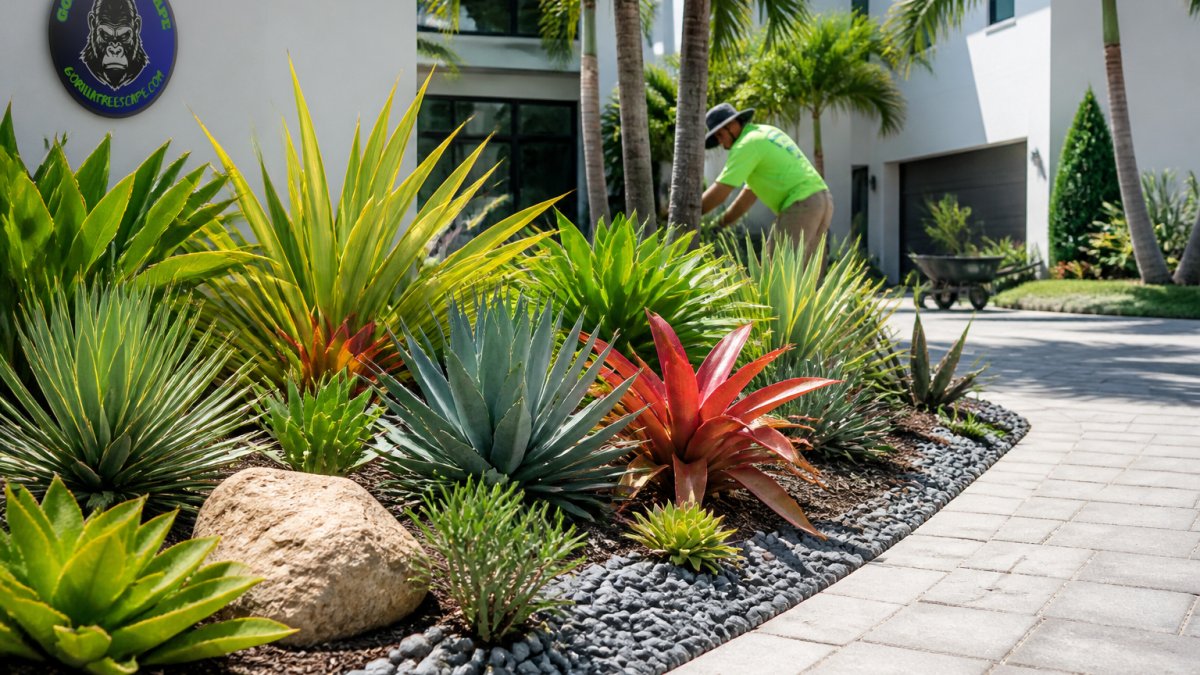
Residential landscaping maintenance in South Florida centers on creating a beautiful, functional outdoor space that enhances the home's value and livability. For homeowners looking to transform their outdoor spaces, Landscaping And Outdoor Living Design offers professional design consultation alongside routine maintenance.
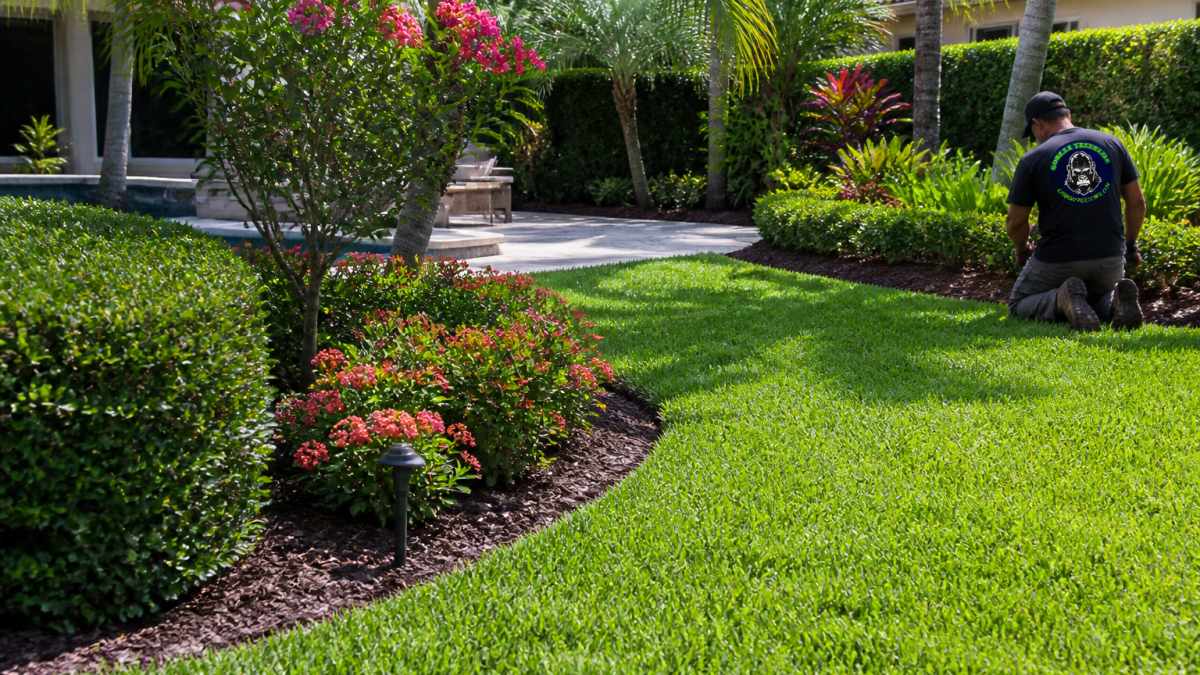
Start with lawn health. St. Augustine grass dominates South Florida yards because it tolerates heat, humidity, and salt spray. It requires regular mowing (weekly during growing season), consistent watering, and seasonal fertilizer.
Healthy trees are the backbone of residential landscaping maintenance. They provide shade, structure, and long-term value. Regular pruning removes dead wood, improves air circulation, and maintains attractive shape.
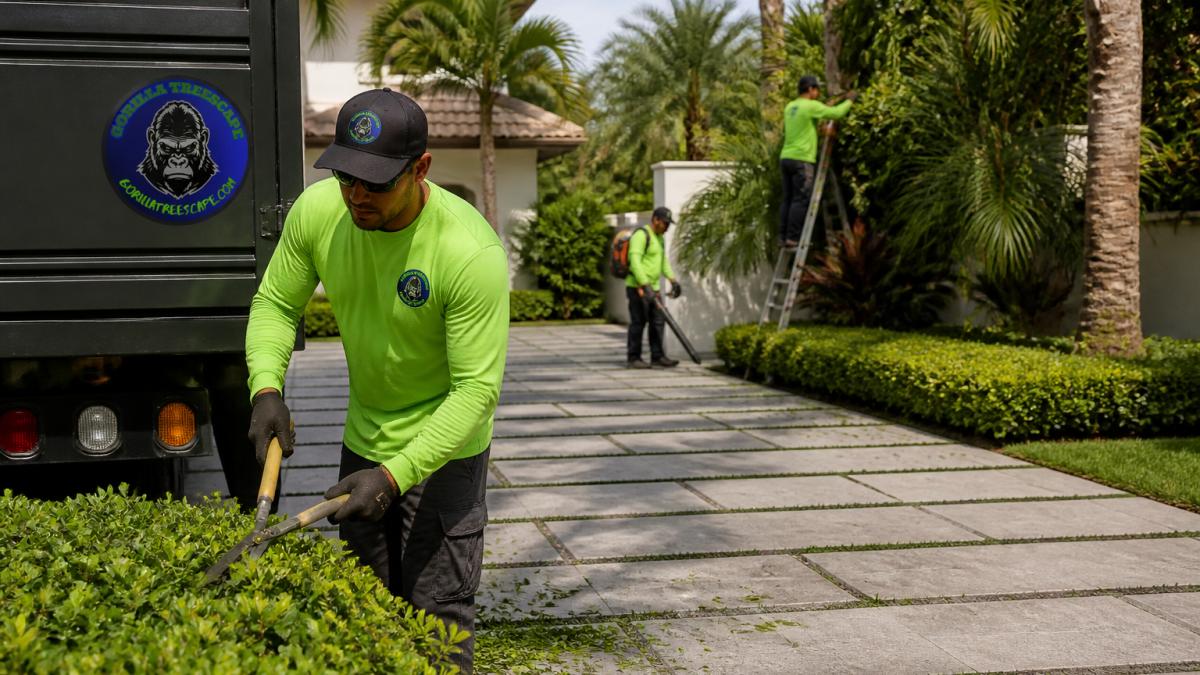
Shrubs and ornamental plants need regular attention. Trim them to maintain size and shape, remove dead growth, and encourage density. Most South Florida shrubs benefit from pruning after their bloom period.
Drainage is critical in residential landscaping maintenance. Poor drainage leads to soggy spots, root rot, mosquito breeding areas, and foundation problems. Ensure water flows away from the home and toward drainage areas.
Irrigation systems are essential in South Florida's heat. Most residential properties need supplemental watering even during the rainy season. Drip irrigation for garden beds is more efficient than spray irrigation.
Commercial Landscaping Maintenance for Professional Curb Appeal
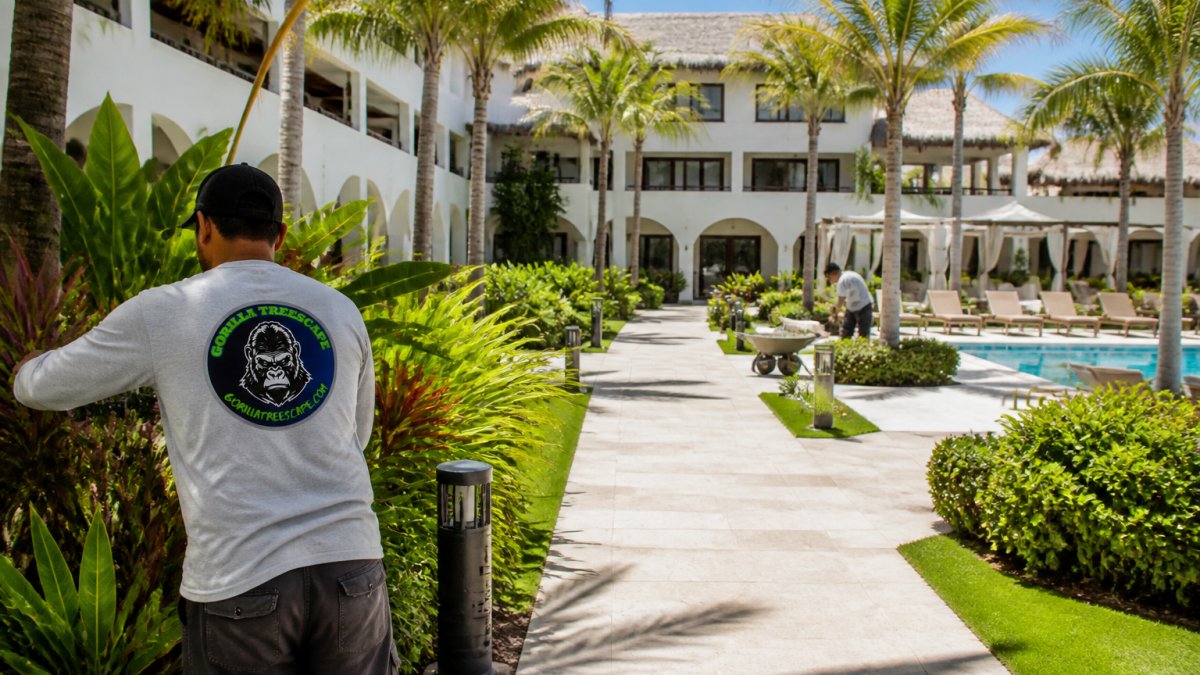
Commercial landscaping maintenance serves a different purpose than residential work. It's about creating a professional image, maintaining consistent appearance, and supporting business operations. A well-maintained commercial landscape signals quality, attention to detail, and stability.
Commercial landscaping maintenance typically includes weekly or bi-weekly service during growing season. Tasks include lawn mowing, edging, blowing debris, pruning, mulch refresh, seasonal color installation, and irrigation adjustment.
Property management companies in South Florida rely on reliable commercial landscaping maintenance to keep multiple properties in top condition. Consistency matters more than occasional deep work. A property that looks well-maintained every single week builds tenant and customer confidence far more than one that looks excellent for a few weeks then neglected.
Commercial landscaping maintenance also includes seasonal transitions. Spring color installation, summer pest monitoring, fall hurricane preparation, and winter color changes keep properties visually interesting and seasonally appropriate.
At Gorilla Treescape LLC, our Landscaping & Pool Maintenance service includes landscape design consultation to optimize curb appeal and functionality. We handle everything from routine maintenance to emergency storm cleanup, ensuring your property always reflects your business's professionalism.
Irrigation, Drainage, and Watering Solutions
Water management is central to successful landscaping maintenance in South Florida. Too little water stresses plants and creates brown, thin lawn. Too much water causes root rot, fungal disease, and encourages shallow rooting.
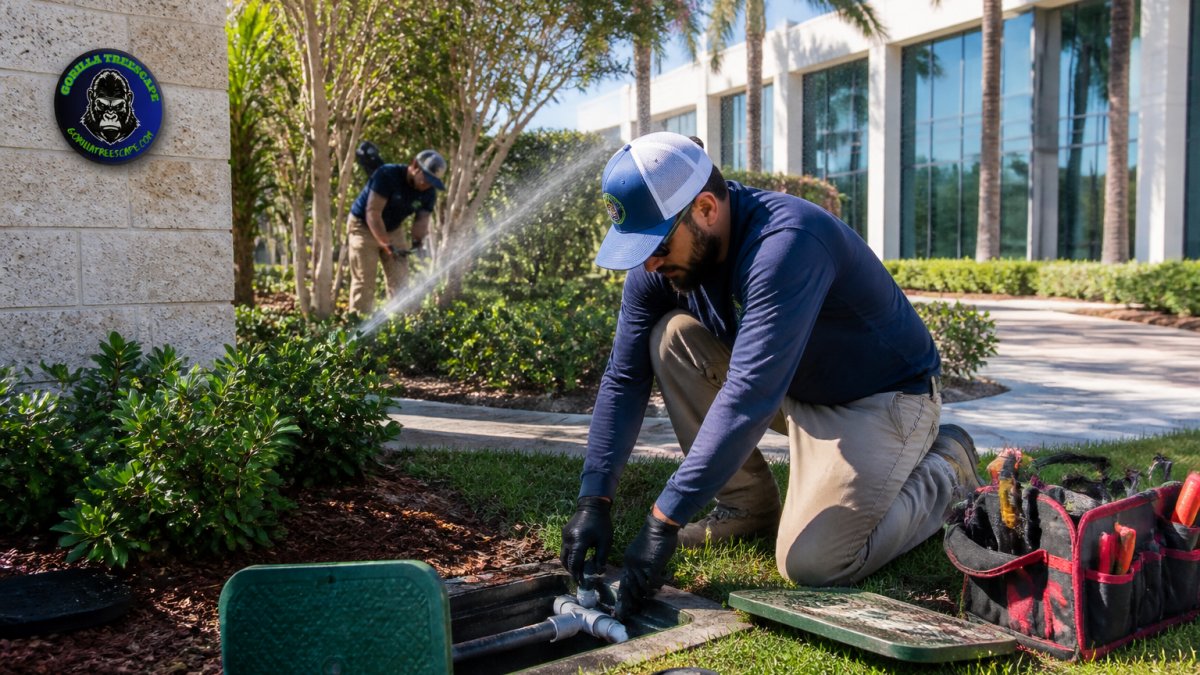
Irrigation systems should be inspected and adjusted seasonally. Sprinkler heads can shift, creating dry spots or wasting water on pavement. Drip irrigation for trees, shrubs, and garden beds is more efficient than spray irrigation, water goes directly to roots with minimal evaporation.
Drainage problems are common in South Florida, where the water table is high and soil is often sandy or poorly draining. Standing water in yards creates mosquito habitat, kills plants, and damages structures.
Most South Florida properties need supplemental irrigation year-round, even during the rainy season. Summer thunderstorms often miss specific areas, and winter is consistently dry. Deep watering encourages deep root development, making plants more drought-tolerant and storm-resistant. Shallow, frequent watering encourages shallow roots and weak plants.
Mulch plays a critical role in water management. It reduces evaporation, keeps soil cooler, suppresses weeds, and gradually breaks down to improve soil structure. Maintain 2-3 inches of mulch in planting beds, refreshing annually.
Hurricane Preparedness and Storm Recovery
Hurricane season runs June through November, with peak activity August through October.
Pre-storm landscaping maintenance includes pruning trees to remove weak, dead, or crossing branches. A well-pruned tree is far more likely to survive high winds with minimal damage.
Check that all trees are healthy and well-anchored. Young trees or those with shallow root systems are most vulnerable. Thin dense canopies to reduce wind resistance.
After a storm, landscaping maintenance shifts to damage assessment and recovery. Remove fallen branches and debris promptly.
Debris removal is critical for both aesthetics and safety. Fallen branches can hide hazards, harbor pests, and create fire risk.
Storm damage recovery is where professional landscaping maintenance expertise becomes invaluable. We understand which trees can recover, which need removal, and how to replant strategically to create a resilient landscape.
Maintaining a healthy, attractive landscape in South Florida requires understanding your local climate, committing to a consistent schedule, and addressing problems before they become expensive emergencies.
If landscaping maintenance feels overwhelming or you're unsure where to start, that's where we come in.
Frequently Asked Questions
What is included in landscaping maintenance?
Comprehensive landscaping maintenance includes lawn mowing and grass care, shrub and hedge trimming, leaf removal, seasonal color planting, irrigation system checks, and garden maintenance. For residential properties, this also covers tree care and stump removal. Commercial landscaping maintenance adds regular pressure washing, mulch replenishment, and landscape installation upkeep. The specific services depend on your property's needs and your maintenance plan.
How often should a landscape be maintained in a warm, humid climate?
In warm, humid climates like South Florida, most properties benefit from weekly or bi-weekly lawn mowing during the growing season, monthly shrub and hedge trimming, and quarterly deep maintenance checks. Irrigation systems should be inspected monthly to prevent overwatering and drainage issues. Tree care and seasonal color updates typically happen twice yearly. A professional landscape maintenance plan tailored to your specific property ensures consistent results without guesswork.
How do I choose a landscaping maintenance company?
Look for companies with proven experience in residential or commercial landscaping maintenance, depending on your needs. Verify they understand local soil conditions, native plants, and climate-specific challenges. Ask about their approach to irrigation and drainage troubleshooting, hurricane preparedness, and emergency tree removal. Request references and review customer testimonials. Ensure they provide a detailed maintenance schedule and clear communication throughout the year.
What should a seasonal landscaping maintenance checklist include?
A seasonal checklist should cover spring cleanup and sod installation prep, summer watering and pest management, fall leaf removal and garden preparation, and winter protection for sensitive plants. Include irrigation system winterization, tree pruning schedules, shrub trimming cycles, and seasonal color planting dates. Add hurricane preparation tasks for late summer, including branch removal and drainage verification. A professional landscape maintenance plan provides this checklist customized for your property and local conditions.