 how-to
How to Design a Xeriscape Garden on a Budget: 2026 Guide
Table of Contents
- Plan Your Xeriscape Garden in Phases to Spread Costs
- Drought-Tolerant Plant Selection That Saves Money Long-Term
- Xeriscape Mulch Alternatives: Cheap Ways to Retain Moisture
- Low Maintenance Garden Design Ideas for Budget-Conscious Homeowners
- DIY vs. Professional Installation: When to Hire Help
- Repurpose Existing Materials and Navigate Permits or HOA Rules
- Frequently Asked Questions
Last Updated: September 24, 2026
Plan Your Xeriscape Garden in Phases to Spread Costs
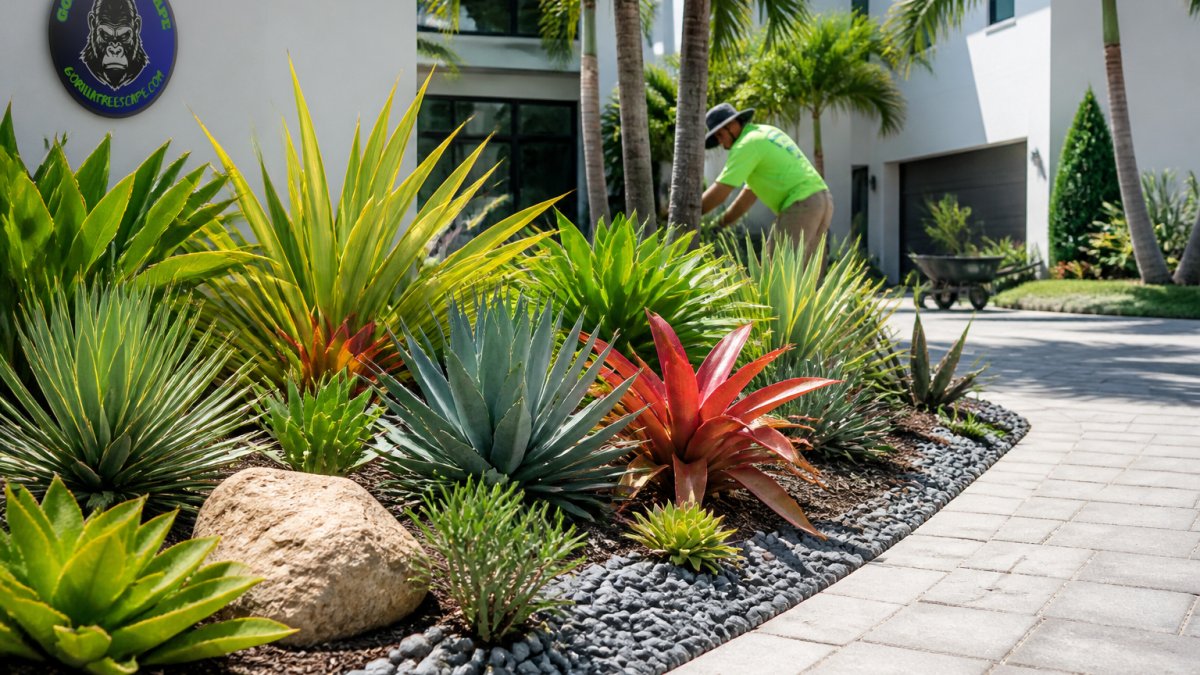
Building a xeriscape garden on a budget starts with a simple truth: you do not have to do it all at once. This guide from Gorilla Treescape LLC walks you through how to design a xeriscape garden on a budget by breaking the project into phases. That way, you spread the cost over time instead of paying for everything in one season.
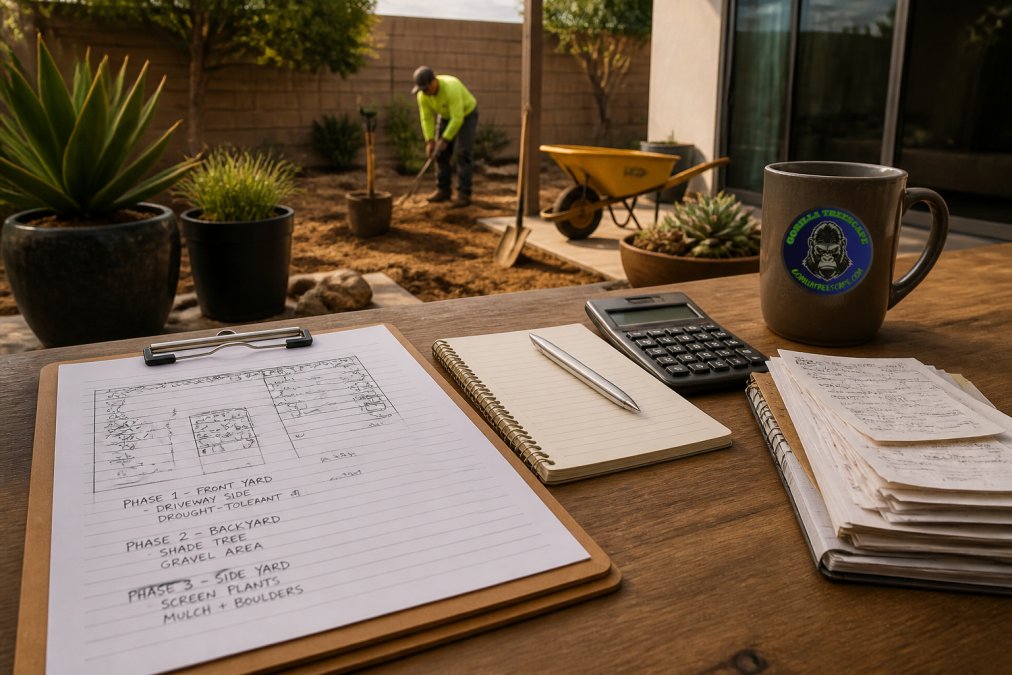
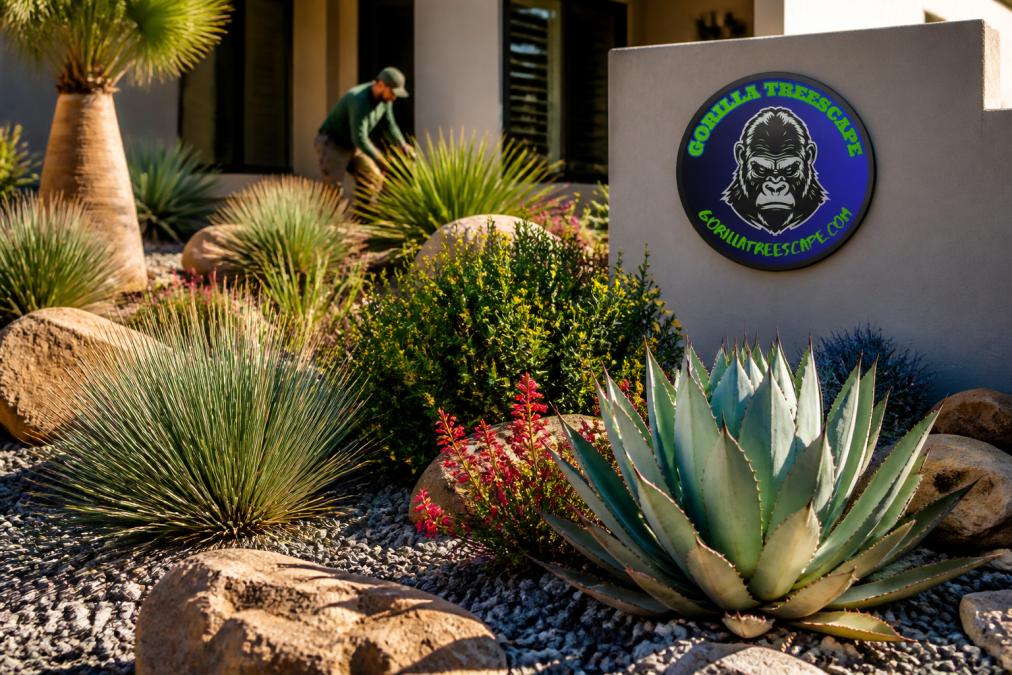
A xeriscape garden is a landscape designed to survive on little to no extra water once plants are established. It replaces thirsty grass with drought-tolerant plants, mulch, and smart irrigation.
Map Your Yard and Set a Realistic Budget
Start by measuring your space. Sketch your yard on paper and mark sun and shade through the day. Note where water pools after rain, since drainage problems will sink any planting plan.
Phase 1: Clear and Amend Soil Without Breaking the Bank
Clear weeds and old grass from your chosen zone. Rent a tiller for a day instead of buying one. Then work in compost or other organic matter to improve the soil.
Drought-Tolerant Plant Selection That Saves Money Long-Term
Choosing the right plants is where a xeriscape garden saves the most money over time. The trick is picking species that already thrive in your climate, so they need less water, less care, and fewer replacements. A plant that struggles for two seasons and then dies has cost you three times: the purchase, the water, and the replacement.
Native and Adapted Plants for Low-Water Landscapes
Native plants evolved for your local rainfall and soil. That means they need little help once established. Look for perennials, ornamental grasses, and ground cover that handle heat and dry spells. Adapted plants, non-natives that have proven themselves in your region, are a close second and often easier to find at retail.
Where to Source Affordable Plants Locally
You do not need a nursery full of expensive specimens. The cheapest plants are almost always the ones already growing a few miles away. Try these sources in roughly this order:
- Municipal and utility giveaways. Many water utilities and city conservation programs host native plant giveaways or deeply discounted sales in spring and fall. Check your utility's conservation page and your city's parks or environmental services page.
- County extension office plant sales. Extension offices and their master gardener programs run annual native plant sales, often at a fraction of retail.
- Native plant society sales. Regional native plant societies hold spring and fall sales featuring species proven for your area.
- Seed swaps and library seed libraries. Many public libraries now host seed libraries where you can take native and pollinator seeds at no cost. Local garden clubs run swaps in late winter.
- Neighbors dividing overgrown perennials. Perennials like black-eyed Susan, coneflower, and ornamental grasses multiply and can be divided every few years. A neighbor thinning a bed is a free nursery.
- End-of-season nursery discounts. Retailers clear drought-tolerant stock in late summer and fall. Buy then, plant then, and let roots establish before heat returns.
- Seed starting for perennials and ground cover. A packet of seed costs a fraction of a single container plant and yields dozens of starts.
Match the Plant to the Microclimate, Not the Catalog
Before you buy, walk your yard at three times of day and note sun, shade, and reflected heat from walls and pavement. A plant labeled "full sun" may still scorch against a west-facing wall. Match the plant to the microclimate, not the catalog photo, and you will replace far fewer plants.
Xeriscape Mulch Alternatives: Cheap Ways to Retain Moisture
Mulch is the workhorse of any water-wise yard. It holds moisture in the soil, blocks weeds, and keeps roots cooler. You can use several low-cost options instead of bagged bark.
- Pea gravel and crushed rock for permanent beds
- Reclaimed wood chips from tree services
- Compost as a soil-topping mulch
- Pine straw in shaded areas
- Sheet mulch with cardboard and chips for new beds
Low Maintenance Garden Design Ideas for Budget-Conscious Homeowners
A smart layout cuts your workload and your water bill at the same time. Low maintenance garden design ideas focus on fewer moving parts: less lawn, more mulch, and plants that fend for themselves.
Hydrozoning and Plant Grouping for Water Efficiency
Hydrozoning means planting in groups based on how much water each one needs. You water one zone deeply and skip the rest. This cuts waste and keeps plants healthier.
| Design Choice | Upfront Effort | Long-Term Savings | Best For |
|---|---|---|---|
| Replace lawn with mulch | Medium | High | Large sunny areas |
| Hydrozone plant beds | Low | High | Mixed-sun yards |
| Drip irrigation | Medium | Medium | All planted zones |
| Hardscape paths | High | Medium | High-traffic spots |
DIY vs. Professional Installation: When to Hire Help
Most of a xeriscape garden is doable yourself. Planting, mulching, and drip lines are weekend projects. But some tasks are worth hiring out, and knowing which is which is the difference between a budget project and a money pit.
What You Can Safely Do Yourself
- Planting and transplanting. Dig, amend, plant, water in. No special equipment required.
- Mulch spreading. Wheelbarrow, shovel, rake. Labor-intensive but simple.
- Drip irrigation assembly. Most retail drip kits are push-together and come with a layout guide. You can run a zone in an afternoon.
- Small hardscape. Pea gravel paths, dry-stacked borders, and stepping stones are within reach for most homeowners.
- Seed starting and division. Free plants, minimal tools.
What to Hire Out
Call a pro when you hit these:
- Grading and drainage problems. If water pools against your foundation or stands in a bed after rain, the fix is earthwork, not plants. This is the single most common reason budget landscapes fail.
- Large tree removal or stump grinding. Dangerous and equipment-heavy. Not a DIY job.
- Permits or HOA paperwork. Some jurisdictions require permits for grading, retaining walls over a certain height, and drainage changes. HOAs often require design review before you break ground.
- Hardscape work like patios, decks, and retaining walls. Improper base prep causes settling and cracking within a season or two.
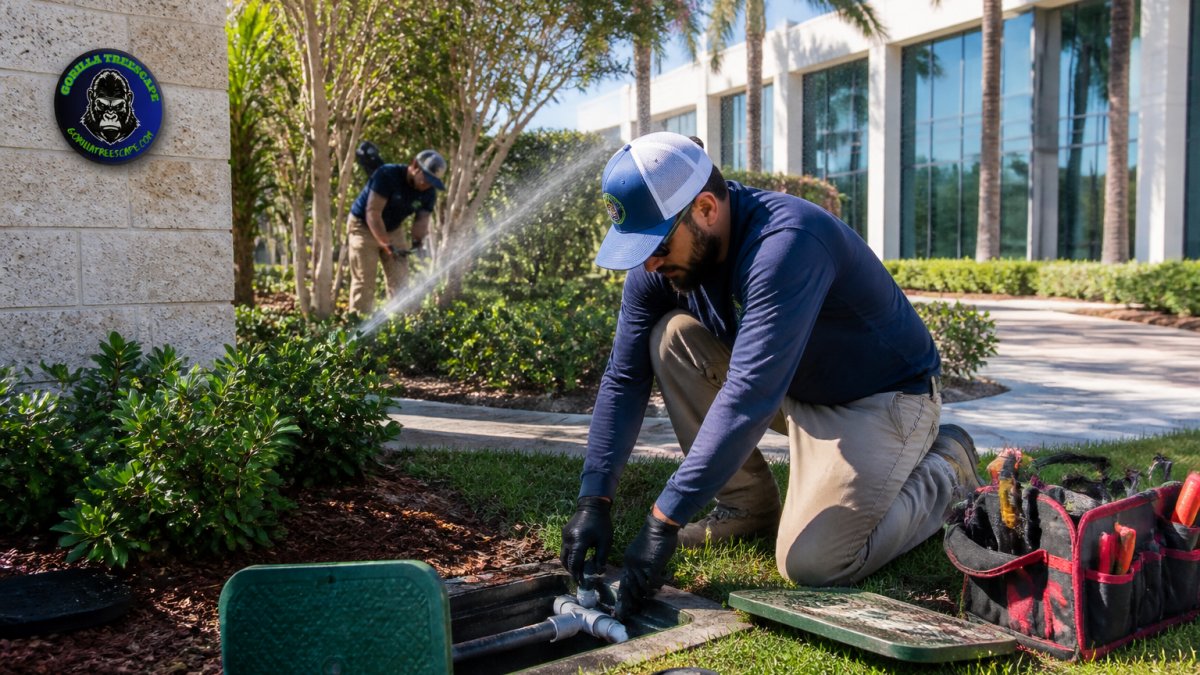
- Irrigation tied to your home's main line. A backflow preventer and proper connection are code issues, not weekend projects.
Bad drainage is the number one reason budget landscapes fail. Water pools, roots rot, and plants die. Fixing it early costs far less than replanting later.
Navigate Permits and HOA Rules Before You Dig
This step is where budget-conscious gardeners get burned. A rejected plan means tearing out what you built at your own cost.
- Maximum plant height near the street or corner sight lines
- Approved hardscape materials and colors
- Limits on how much lawn you can remove
- Required plant counts or minimum bed sizes
- Whether a design submission and approval are required before work starts
The Cost-Trade-Off Rule
Hire out anything that, if done wrong, requires you to undo it. That includes drainage, structural hardscape, and anything tied to your home's plumbing or electrical. Do yourself anything that, if done wrong, you can fix by replanting or re-mulching. That rule keeps your budget pointed at the work that actually protects the investment.
Repurpose Existing Materials and Navigate Permits or HOA Rules
Before you buy anything, look at what you already have. Old pavers, rocks, and even broken concrete can become paths, borders, or dry creek beds. Reusing materials saves money and keeps waste out of the landfill.
Frequently Asked Questions
What is the cheapest way to xeriscape?
The cheapest way is to phase the project and reuse what you already have. Start by clearing weeds and amending soil in one section, then plant drought-tolerant species in groupings that share water needs. Use free or low-cost mulch like arborist wood chips. If you need design help, a professional can create a phased plan you install yourself over time. This approach spreads costs and avoids large upfront expenses.
What are the best drought-tolerant plants for a budget garden?
Look for native and adapted plants that thrive in your region. In many areas, choices like lavender, yarrow, sedum, ornamental grasses, and succulents are affordable and low-water. Buy smaller container sizes or seed, and group plants by water needs (hydrozoning). Local native plant sales and plant swaps often offer inexpensive options. These plants establish quickly and need less irrigation once mature.
Does xeriscaping lower property value?
No, a well-designed xeriscape can enhance curb appeal and may lower water bills, which appeals to buyers. A tidy, colorful landscape with hardscape and pollinator-friendly plants signals low maintenance. Avoid a sparse, all-gravel look that can seem barren. With proper design, xeriscaping adds value by reducing upkeep and water use, especially in areas where conservation matters.
Can I xeriscape my yard in stages to save money?
Yes, phasing is one of the best ways to save. Divide your yard into zones based on use and visibility. Start with the most visible area or where drainage is a problem. Complete soil prep and planting in one zone, then move to the next as budget allows. This spreads costs over months or years and lets you learn what works before expanding.
Designing a xeriscape garden on a budget comes down to planning, patience, and the right help at the right time. If drainage, hardscape, or permits feel like too much to handle alone, Gorilla Treescape LLC can take it from concept to completion. Our team handles custom design, drainage fixes, and permit management, backed by a 5.0 rating from 34 reviews. Get a quote from Gorilla Treescape LLC and build a yard that looks great and costs less to keep.