 ultimate-guide
Backyard Design in Miami: Create Your Outdoor Oasis
Table of Contents
- Why Backyard Design Matters in Miami
- Tropical Landscape Design for Your Space
- Pool and Patio Design: Building Your Centerpiece
- Low-Maintenance Garden Ideas for South Florida
- Climate-Resilient Landscaping and Drainage Solutions
- Permits, Planning, and Professional Design
- Maximizing Small Spaces and Working with HOA Restrictions
- Conclusion
- Frequently Asked Questions
Last Updated: September 26, 2026
Why Backyard Design Matters in Miami
Backyard design Miami transforms underutilized yards into functional retreats that handle the region's unique climate and lifestyle demands. Thoughtful design makes the difference between a neglected patch of grass and an extension of your living space.
A well-designed backyard increases property value, provides year-round entertainment space, and creates a personal sanctuary. At Gorilla Treescape LLC, we've worked with hundreds of Miami-area homeowners to transform their outdoor spaces into something genuinely special.
Tropical Landscape Design for Your Space
Tropical landscape design in Miami means working with the environment, not against it. The heat, humidity, and seasonal storms require plants and layouts that thrive under these conditions. Embrace the lush, vibrant aesthetic that actually belongs here.
Native and salt-tolerant plants form the backbone of smart tropical landscaping. Ixora, sea grape, coontie, and muhly grass are adapted to handle intense sun, salt spray, and occasional flooding. They require less water once established and bounce back faster after storms.
Layering is essential in tropical design. Ground covers, shrubs, and canopy trees create depth and visual interest while providing shade and wind protection. Multiple layers create an immersive landscape that feels intentional and mature.
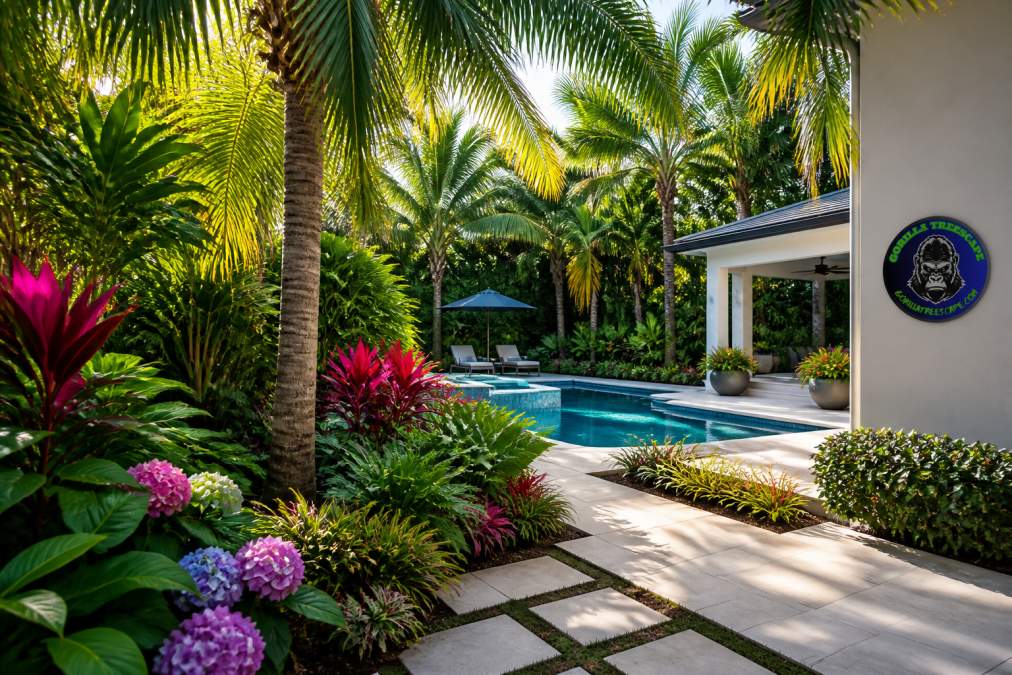
Pool and Patio Design: Building Your Centerpiece
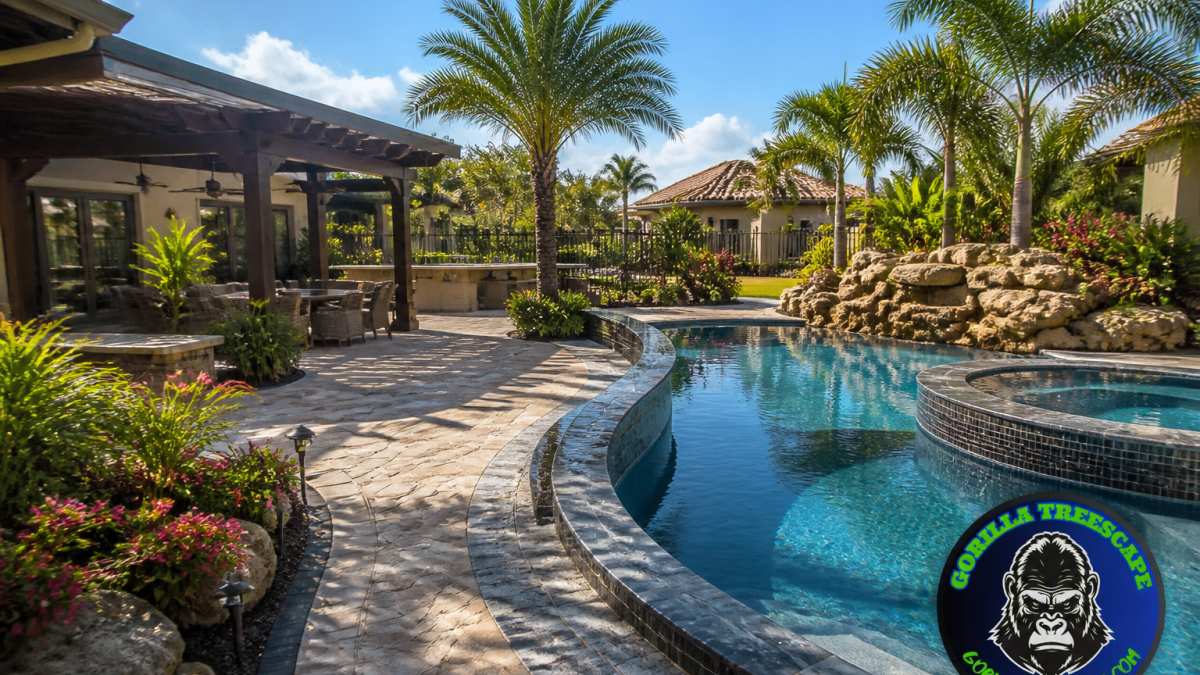
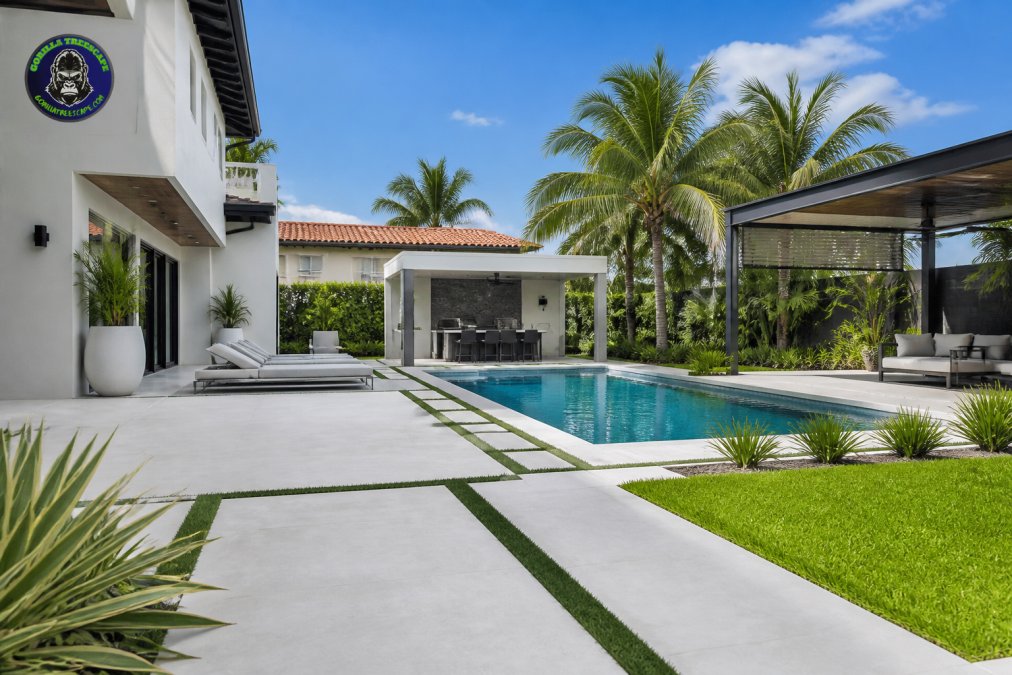
Your pool and patio are the anchor points of backyard design Miami. A poorly positioned pool creates dead zones. A patio that doesn't connect to the house becomes a separate feature rather than an extension of your living area.
Pool placement balances sun exposure, sightlines from interior spaces, and practical access. Size matters equally, an oversized pool in a small yard overwhelms the landscape, while a tiny pool looks inadequate.
Patio materials determine long-term satisfaction. Concrete can crack in Miami's freeze-thaw cycles. Pavers offer flexibility but require maintenance. Travertine stays cooler underfoot but needs sealing. Choose based on your maintenance tolerance and aesthetic priorities. Professional installation of Driveways & Decks ensures proper grading, drainage, and durability in Miami's climate.
Connection between spaces transforms a backyard into a cohesive retreat. Pathways and sightlines should guide movement naturally, creating a journey rather than disconnected features.
Low-Maintenance Garden Ideas for South Florida
"Low-maintenance" doesn't mean no maintenance, it means understanding the realistic effort required for different design approaches, then choosing what aligns with your lifestyle and budget.
Understanding True Maintenance Costs
Drought-Tolerant Plant Selection
Drought-tolerant plants like lantana, salvia, muhly grass, and coontie handle heat and dry spells without supplemental irrigation during the dry season. Once established, they require watering only during extended dry spells or extreme heat events.
Native plants like sea grape, cocoplum, gumbo limbo, and slash pine are naturally resistant to local pests and diseases. They tolerate sandy soil, salt spray, hurricane-force winds, and intense rainfall without damage.
Mulch as a Maintenance Multiplier
A layer of quality mulch reduces water evaporation, suppresses weeds, and helps retain soil moisture. Replace mulch annually to maintain effectiveness.
Hardscaping and Structural Maintenance Reduction
Hardscaping, gravel pathways, stone borders, paver walkways, and raised beds, reduces maintenance while adding structure. A paver patio eliminates grass maintenance in high-traffic areas. Raised beds require less amendment and support better drainage than in-ground plantings.
Grouping Plants by Water Needs
Xeriscaping groups plants with similar water requirements together. Create zones: low-water, moderate-water, and high-water areas. This zoning approach reduces overall watering frequency and prevents wasting water on drought-tolerant plants.
Automated Irrigation and Smart Watering
A properly designed irrigation system with a smart controller reduces water waste and maintenance time. Drip irrigation can reduce evaporation and runoff compared to spray irrigation. A smart controller adjusts watering based on rainfall and temperature.
Pest and Disease Management Without Heavy Intervention
Healthy plants in appropriate growing conditions resist pests and diseases far better than stressed plants. Regular inspection catches problems early. Most pest issues can be managed through pruning, improving air circulation, or adjusting watering practices.
Climate-Resilient Landscaping and Drainage Solutions
Miami's climate presents specific challenges: hurricane-force winds, intense rainfall, salt spray, and sandy soil. Climate-resilient landscaping protects your investment and keeps your outdoor space functional year-round.
Drainage is the foundation of resilient design. Poor drainage creates standing water that kills plants and causes structural damage. Grading slopes away from structures, installing French drains, and creating rain gardens direct water efficiently.
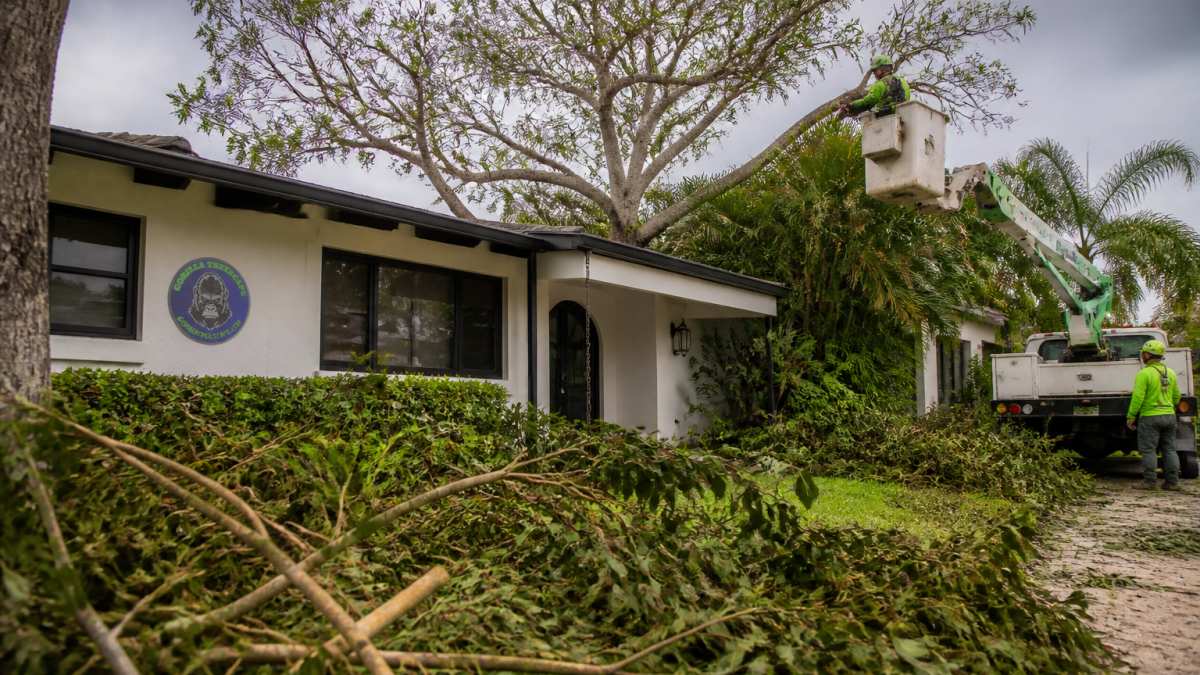
Trees with flexible trunks and moderate canopies handle storms better than rigid, dense specimens. Live oak, gumbo limbo, and slash pine are naturally adapted to hurricane-force winds. Proper spacing and pruning reduce wind damage significantly.
Salt tolerance is essential for properties near the coast. Native plants like sea grape, cocoplum, and cabbage palm handle salt spray without damage.
Gorilla Treescape LLC specializes in drainage solutions that address Miami's unique water management challenges. Proper grading, subsurface drainage systems, and strategic plant placement work together to create landscapes that handle heavy rain without flooding or erosion. Our Landscaping And Outdoor Living Design services integrate these resilience principles into every project.
Permits, Planning, and Professional Design
Backyard projects in Miami-Dade and Broward County navigate a complex permitting landscape that varies by municipality and property type. Understanding these requirements upfront prevents costly delays and fines.
What Requires a Permit
Pools, spas, and water features almost always require a building permit and separate electrical permits. Decks, pergolas, and structures over 200 square feet typically require permits. Significant grading or drainage work may trigger environmental review permits, especially in flood zones or near wetlands.
The Miami-Dade Permitting Process
Miami-Dade County requires a pre-application meeting for most substantial projects, which clarifies what permits you'll need. County review typically takes several weeks for straightforward projects. The entire process from pre-application to final inspection typically spans several weeks.
Flood Zone and Environmental Considerations
Much of Miami lies in FEMA flood zones, which triggers additional requirements. Properties in high-risk flood zones (Zone A or AE) must elevate structures above the base flood elevation, which affects pool decks, patios, and any structures. The county requires flood elevation certificates, which must be prepared by a licensed surveyor.
HOA and Deed Restrictions
Professional Design and Permitting Coordination
Site Assessment and Soil Evaluation
Maximizing Small Spaces and Working with HOA Restrictions
Small backyards and HOA restrictions challenge even experienced designers. But constraints often force better design decisions. Limited space demands intentional choices about what matters most. HOA guidelines, while sometimes frustrating, often protect neighborhood aesthetics and property values.
| Design Challenge | Small Space Solution | HOA-Friendly Approach |
|---|---|---|
| Limited ground area | Vertical gardens and trellises | Compliant materials and heights |
| Restricted plant types | Layered native plantings | Approved species with visual impact |
| Fence limitations | Living walls and hedges | Approved screening methods |
| Structural restrictions | Modular elements and containers | Permitted hardscape options |
Conclusion
Backyard design Miami requires understanding your local climate, soil conditions, and regulations, not just copying designs from other regions. The best outdoor spaces solve real problems: they handle drainage, survive storms, require manageable maintenance, and actually get used by the people who live there.
Frequently Asked Questions
What makes backyard design in Miami different from other regions?
Miami's tropical climate, high humidity, intense sun, and hurricane season create unique challenges. Plants must tolerate salt spray, intense heat, and heavy rainfall. Drainage is critical due to flat terrain and poor native soil. Your backyard design must account for these factors, what works in other climates may fail here. Professional design ensures your landscape thrives year-round and withstands seasonal storms.
What are the best low-maintenance garden ideas for South Florida?
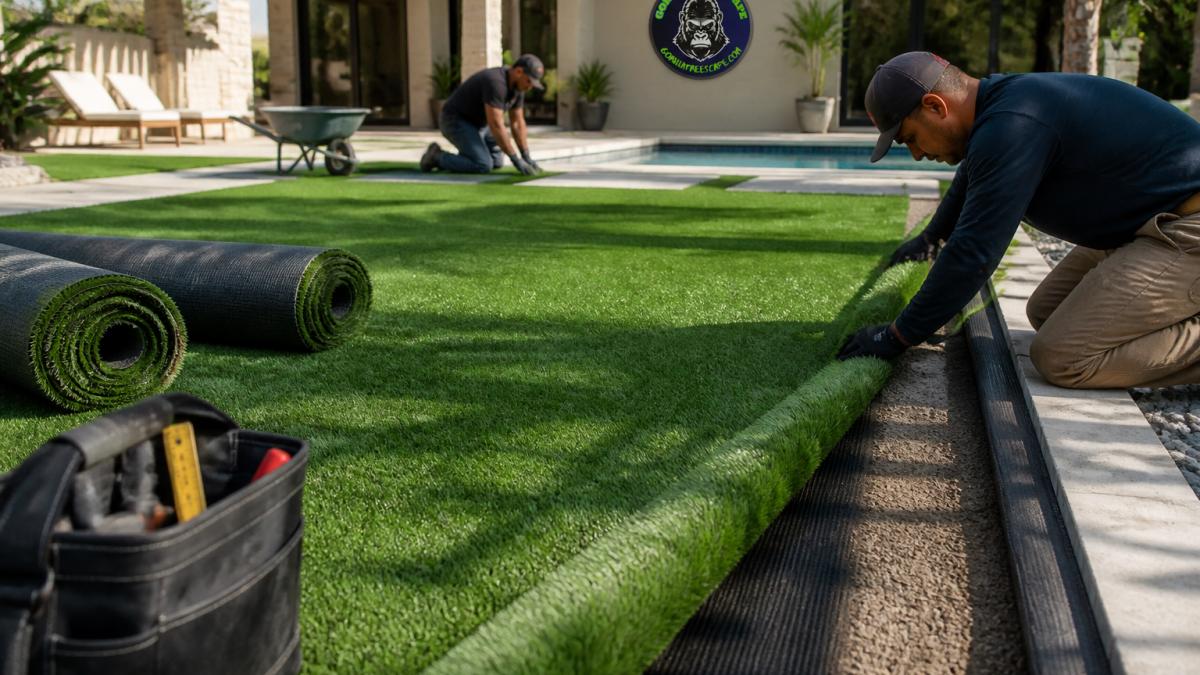
Choose native and salt-tolerant plants like coontie, muhly grass, and sea grape that require minimal watering once established. Group plants by water needs to reduce irrigation. Use hardscaping (pavers, mulch, gravel) to minimize plant density. Incorporate artificial turf in high-traffic areas. Install drip irrigation on a timer to reduce manual watering. These low-maintenance garden ideas cut your workload while keeping your yard vibrant.
How do I incorporate a pool into my backyard design without overwhelming a small space?
Start with a site assessment to understand your lot size, orientation, and zoning regulations. Smaller pools (15x30 feet or less) work well in tight backyards. Position the pool to maximize usable space around it. Combine the pool area with a patio for lounging and entertaining. Use vertical elements like pergolas and privacy hedges to create defined zones without eating up square footage. Professional landscape architecture ensures every inch serves a purpose.
What should I expect from the backyard design and permitting process?
Most residential projects require permits from your local municipality, especially for pools, decks, and structural elements. Permitting typically takes several weeks, though experienced contractors can often expedite the process. Your design professional handles site assessment, drawings, and permit submission. Budget time for inspections during construction. Working with professionals familiar with local zoning regulations prevents costly delays and ensures your project meets all building codes.
Ready to transform your backyard into the outdoor oasis you've been imagining? Contact Gorilla Treescape LLC for a consultation and site assessment. We'll evaluate your space, discuss your vision, and create a design plan that works within your budget and HOA guidelines. Get a quote today and take the first step toward your dream backyard.