 blog
Aluminum Fence and Gates: 2026 Buyer's Guide
Table of Contents
- Why Aluminum Fence and Gates Are a Smart Choice for Your Property
- Aluminum Fence Pros and Cons: An Honest Look
- Aluminum Fence Styles: Finding the Right Look
- Aluminum Double Gate and Single Gate Options
- Aluminum Fence Maintenance: What It Really Takes
- Comparing Aluminum Fence and Gates to Wood, Vinyl, and Wrought Iron
- Installation and Long-Term Ownership: What to Expect
- Frequently Asked Questions
Last Updated: October 7, 2026
Why Aluminum Fence and Gates Are a Smart Choice for Your Property
Aluminum fence and gates have become the default choice for homeowners who want a clean boundary line without the maintenance that wood and steel demand. Aluminum is a lightweight, high-strength metal that resists rust and corrosion, which is why it holds up so well in humid, salt-heavy air. At Gorilla Treescape LLC, we install fencing as part of larger backyard builds, and aluminum is the material we recommend most often for pool enclosures and property lines.
The case for aluminum comes down to three things: it does not rot, it does not rust through, and it keeps its finish for years. Wood fencing needs staining and repair. Steel fencing rusts at every scratch. Aluminum sidesteps both problems.
Below, we break down the pros and cons, the styles, the gate options, and what ownership actually looks like over ten years.
Aluminum Fence Pros and Cons: An Honest Look
The main advantage of aluminum fencing is that it delivers the look of wrought iron at a fraction of the weight and upkeep. It will not corrode the way steel does, and powder-coated finishes hold their color through sun and rain.
Here is the honest trade-off list:
- Pros: rust-resistant, corrosion-resistant, maintenance-free finish, lightweight for easy installation, strong enough for security, and available in black and other finishes
- Cons: higher upfront cost than basic wood, not as rigid as wrought iron, and thin-gauge panels can dent under heavy impact
A common mistake is buying the cheapest gauge available and expecting it to hold up at a busy driveway entrance. For gates that swing daily, a thicker picket and a reinforced frame matter more than the price difference.
Aluminum Fence Styles: Finding the Right Look
Style is where aluminum fencing earns its reputation. The two dominant looks are flat-top and lattice-top, and each one signals something different about your property.
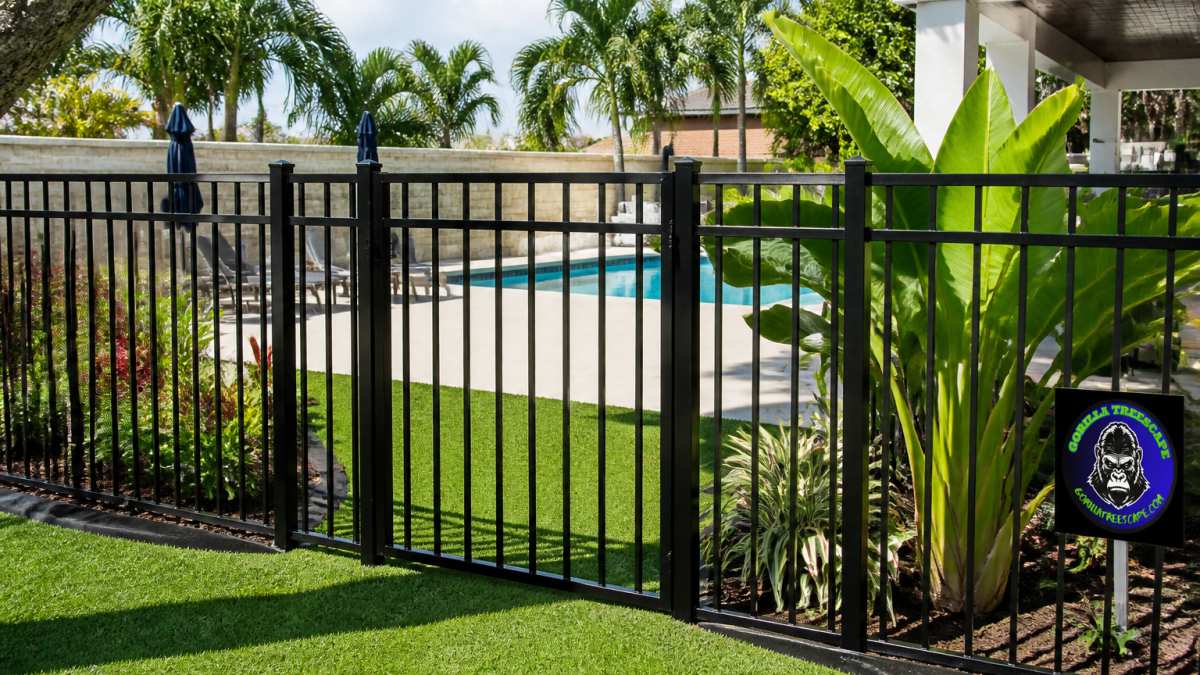
Flat-Top vs. Lattice-Top
Flat-top fence panels have a straight, level top rail with pickets ending flush. The look is modern and minimal, and it pairs well with contemporary backyard design.
Lattice-top fence panels add a decorative arched or crisscross section above the top rail. This style leans traditional and reads as more ornamental from the street.
Picket Spacing and Height Options
Picket spacing controls both privacy and safety. A spaced picket design with wider gaps gives visibility and airflow, which matters around pool areas where you need to see through the fence. Tighter spacing adds screening.
Height is usually the deciding factor for code compliance. A five-foot height is common for residential fencing, while pool barriers often need to meet specific local requirements. For a six-foot width panel, standard sections cover most property lines efficiently.
Aluminum Double Gate and Single Gate Options
Gate configuration is the detail most buyers get wrong. An aluminum double gate is built for wide openings, typically a ten-foot opening or more, so vehicles, trailers, or lawn equipment can pass through. A single gate suits pedestrian access and standard walkways.
Match the gate to the opening, not the other way around:
- Single gate: walkways, side yards, pool entries
- Double gate: driveways, equipment access, wide entries
A gate pack usually includes the frame, pickets, hinges, and latch. Self-closing hinges and a secure latch are worth specifying on any gate near a pool, because a gate that will not close on its own is a safety problem, not a convenience one.
Aluminum Fence Maintenance: What It Really Takes
Aluminum fence maintenance is close to nothing compared with wood or steel. A rinse with a garden hose removes most dirt, and the powder-coated finish does not need repainting or staining. But the gap most guides leave open is what ownership actually looks like over ten or twenty years, not just the first season.
Here is the realistic maintenance calendar:
- Monthly (pool gates): Open the gate and let it fall shut. If it does not latch on its own, adjust the self-closing hinge before the next swim season.
- Twice a year: Check gate hinges, latches, and post caps. Tighten any hardware that loosened over winter or after storms.
- Annually: Rinse the full run with a garden hose. In coastal areas, rinse more often to remove salt spray, since even corrosion-resistant metal benefits from a fresh water wash.
- As needed: Touch up deep scratches with matching touch-up paint to keep the powder coat sealed.
What most guides miss is that "maintenance-free" does not mean "never touch it." It means no repainting, no staining, and no rot repair. The parts that do wear are the moving parts, hinges, latches, and sometimes the gate frame itself if it swings daily.
Repairability and Replacement Parts
One of aluminum's quiet advantages is that it is repairable at the component level. If a picket dents, a single panel can often be replaced without tearing out the whole run. If a hinge wears out, most manufacturers sell replacement hinges and latches that fit standard post sizes. That matters because a wood fence with a rotted post usually means digging out concrete; an aluminum fence with a bent gate often means swapping hardware.
Finish and Structural Warranties
Powder-coated aluminum finishes typically carry a multi-year warranty against chipping, cracking, and peeling under normal conditions. Structural warranties on the fence itself are usually longer. The catch is that warranties often require proper installation, posts set in concrete, correct footing depth, and no field cutting that exposes bare metal. Keep your receipt and installation record; most claims ask for proof of purchase and installation date.
Expected Service Life
A well-installed aluminum fence with a powder-coated finish commonly lasts decades, with the finish outlasting the hardware. Hinges and latches are the first components to need attention, usually after years of daily use. Compare that to wood, which may need staining every few years and board replacement sooner, or wrought iron, which needs repainting to hold off rust.
The real ownership argument for aluminum is not that you never touch it, it is that the touch-ups are small, the parts are replaceable, and the finish does not demand a weekend of staining every couple of years.
Comparing Aluminum Fence and Gates to Wood, Vinyl, and Wrought Iron
Aluminum wins on durability and upkeep, but it is not the right answer for every property. The comparison most buyers actually need is not just "which lasts longest", it is which material fits the budget, the look, the security need, and the maintenance appetite. Here is how the four common materials stack up across the factors that decide the purchase.
| Factor | Aluminum | Wood | Vinyl | Wrought Iron |
|---|---|---|---|---|
| Rust/Corrosion | Resists both | Rots over time | Unaffected | Rusts if untreated |
| Maintenance | Low, rinse, check hardware | High, staining, repair | Low, occasional cleaning | Moderate, repainting |
| Relative Upfront Cost | Moderate to high | Low to moderate | Moderate | High |
| Expected Service Life | Decades with finish intact | Shorter; boards and posts fail | Long, but can sag in heat | Long if repainted |
| Repairability | Panel and hardware replacement | Board and post replacement | Panel replacement | Welding or replacement |
| Security | Strong with reinforced frame | Moderate | Moderate | Heavy, high security |
| Appearance | Clean, wrought-iron look | Natural, privacy-friendly | Smooth, uniform | Ornamental, heavy |
| Best For | Pools, property lines, coastal areas | Privacy, natural look | Low-maintenance privacy | Ornamental, heavy security |
What the Table Does Not Tell You
Installed cost is not the same as material cost. The fence itself is only part of the project. Labor, post footings, gate hardware, terrain, and removal of an old fence all move the final number. A flat, accessible yard with a short run is the cheapest scenario. A sloped yard, rocky soil, or a long driveway gate adds labor and materials. Most practitioners find that gate openings and terrain changes are the two biggest cost drivers after the fence material itself.
Lifespan depends on installation quality. A wood fence set in concrete with proper drainage can last much longer than one set in dirt. An aluminum fence with shallow footings can wobble long before the finish fails. The material sets the ceiling; the installation decides how close you get to it.
Security is about the gate, not just the pickets. A tall aluminum fence with a reinforced gate frame and a secure latch offers strong security while keeping visibility. Wrought iron is heavier and harder to cut, but it rusts and costs more. Wood gives privacy, which some buyers equate with security, but a determined intruder can climb or break it.
Repairability favors aluminum and vinyl. Both allow panel-level replacement. Wood often means replacing boards and sometimes posts. Wrought iron may need welding, which is a specialist job.
How to Choose
- Choose aluminum if you want a clean, low-maintenance boundary with visibility, especially around pools, property lines, and coastal areas.
- Choose wood if privacy and a natural look matter more than long-term upkeep.
- Choose vinyl if you want privacy with minimal cleaning and do not mind a less traditional look.
- Choose wrought iron if you want maximum ornamental weight and security and are willing to maintain the finish.
For most residential and pool applications, aluminum hits the best balance of durability, visibility, and cost over the life of the fence. The upfront number may be higher than basic wood, but the lifetime cost, no staining, no rot repair, no repainting, is where aluminum pulls ahead.
Installation and Long-Term Ownership: What to Expect
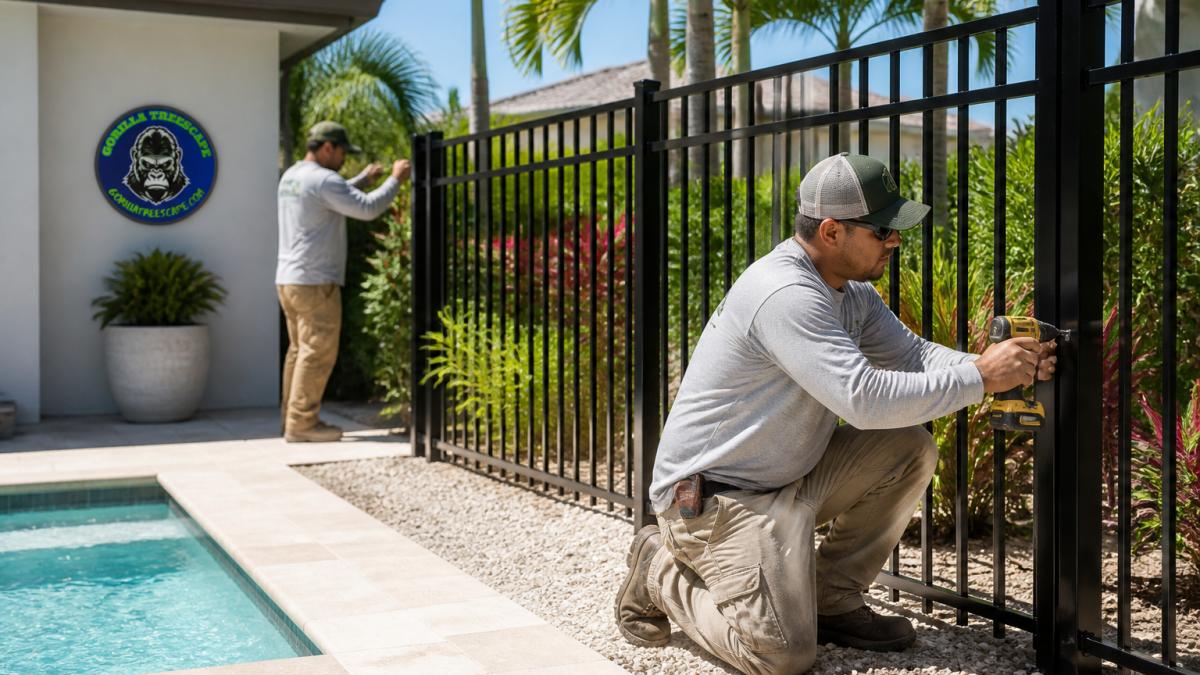
Proper fence installation starts with the posts, not the panels. Gate posts need deeper footings than line posts because they carry the weight of a swinging gate. Set posts in concrete, confirm they are plumb, and give the concrete time to cure before hanging panels.
Planning details that save money later:
- Confirm property lines and any HOA rules before ordering
- Check pool barrier requirements with your local building department
- Measure every opening twice, especially gate openings
- Decide on color and finish before the order ships
For long-term ownership, aluminum fencing holds its finish and structure far longer than wood, and it does not need the repainting that wrought iron does. That lower lifetime cost is the real argument for aluminum, even when the upfront number is higher than wood.
If the fence is part of a bigger backyard project, a professional installation service keeps the fence, pool, and patio on the same timeline. Gorilla Treescape LLC handles landscaping and outdoor living design alongside fencing and gates, so grading, drainage, and layout get solved together instead of in sequence.
Frequently Asked Questions
How much does a 100 feet aluminum fence cost?
Pricing depends on the style, height, gate configuration, and installation requirements. For a precise quote tailored to your property, contact Gorilla Treescape LLC directly.
What are the downsides of aluminum fences?
Aluminum fences are not the cheapest upfront option compared to some wood or chain-link fences, and they can dent under heavy impact. They also offer less privacy than solid wood or vinyl panels unless you add privacy slats. However, their rust resistance, low maintenance, and long lifespan often offset these drawbacks for many homeowners.
Is aluminum fence cheaper than wood?
The upfront cost of aluminum fencing is usually higher than basic wood fencing, but when you factor in long-term maintenance, repairs, and replacement, aluminum often costs less over time. Wood requires staining, sealing, and repairs every few years, while aluminum needs only occasional cleaning, making it a more cost-effective choice for many property owners.
How durable are aluminum fences and gates?
Aluminum fences and gates are highly durable, especially when powder-coated to resist rust and corrosion. They stand up well to weather extremes, including intense sun and humidity, and can last 20 years or more with minimal care. The strength-to-weight ratio of aluminum makes it a practical choice for both residential and commercial applications.
A fence only works as well as the ground it sits on. Drainage problems, uneven grades, and tight HOA setbacks all affect where posts can go and how gates swing. Gorilla Treescape LLC brings custom outdoor living design, permit handling, and full project management to every job, so your aluminum fence and gates fit the property instead of fighting it. Get a quote and let our team plan the whole backyard at once.