 ultimate-guide
Cost of Custom Pool Installation 2026: Full Guide
Table of Contents
- What Drives the Cost of Custom Pool Installation in 2026
- Inground Pool Costs by Material: Gunite, Fiberglass, and Vinyl Liner
- Hidden Costs: Permits, Excavation, and Turn-Key Pricing
- Pool Permit and Zoning Requirements You Need to Know
- Custom Pool Design Features That Affect Your Budget
- Inground Pool Installation Timeline: Phase by Phase
- Total Cost of Ownership: Maintenance, Financing, and ROI
- Frequently Asked Questions
Last Updated: August 26, 2026
Planning a custom pool installation is one of the largest financial decisions a homeowner makes, and the gap between a ballpark estimate and the final invoice can be significant. At Gorilla Treescape LLC, we work with homeowners through every phase of outdoor construction, and we see the same budget surprises repeat themselves. This guide breaks down every cost driver for custom pool installation in 2026, from material selection and permitting to long-term ownership costs, so you can plan with confidence before a single shovel hits the ground.
The core truth most homeowners miss: the base pool price is rarely the number that matters. Turn-key pricing, which includes excavation, decking, fencing, and landscaping, often runs substantially higher than the shell-only quote. Below, we'll show you exactly how those layers stack up, which choices move the needle most, and where smart decisions can save you thousands.
What Drives the Cost of Custom Pool Installation in 2026
Custom pool installation cost is shaped by site-specific variables, design choices, and regional market conditions. Understanding these drivers before you request quotes puts you in a stronger negotiating position.
Site Complexity and Soil Conditions
Soil conditions alone can swing excavation costs dramatically. Rocky terrain, expansive clay soils, or high water tables all require specialized equipment and additional labor. A straightforward dig in sandy, accessible soil costs far less than breaking through limestone or shoring up an unstable site.
Access is equally important. Narrow side yards, mature trees, overhead utility lines, and existing hardscaping all restrict equipment movement. When a standard excavator can't reach the dig site, contractors bring in smaller machines or hand-dig sections, adding both time and cost. According to guidance from the National Association of Home Builders, site preparation is consistently one of the most variable line items in residential construction projects.
Electrical service for pumps, lighting, and automation systems requires trenching and panel upgrades in many older homes. Gas lines for heaters and outdoor kitchens add further complexity.
Pool Size, Depth, and Square Footage
Square footage drives material volume and cost. A 12x24-foot pool uses roughly half the concrete, steel, or fiberglass of a 16x40-foot pool. Pool depth matters too, a deep end that drops to 8 feet requires more structural reinforcement and increases the volume of water the filtration system must process. Resort-style pools with variable depth zones, tanning ledges, and beach entries add design complexity that translates directly to labor hours.
Inground Pool Costs by Material: Gunite, Fiberglass, and Vinyl Liner
The three dominant inground swimming pool types represent fundamentally different approaches to construction, each with distinct cost profiles, longevity, and customization options.
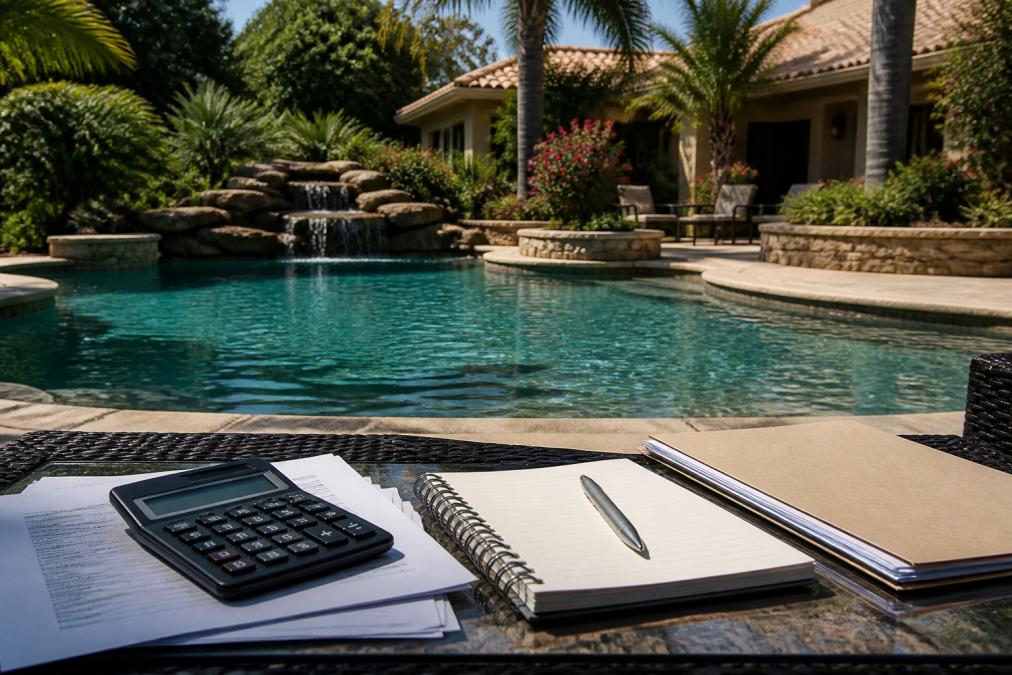
| Pool Type | Typical Price Range | Lifespan | Customization | Maintenance Level |
|---|---|---|---|---|
| Gunite | Higher | 25-50+ years | Fully custom shape/size | High |
| Fiberglass Shell | Mid-range | 25-30 years | Pre-set shapes | Low |
| Vinyl Liner | Lower | 10-15 years (liner) | Moderate flexibility | Medium |
Note: Pricing varies significantly by region, site conditions, and design complexity. Contact a licensed contractor for project-specific estimates.
Gunite Pools
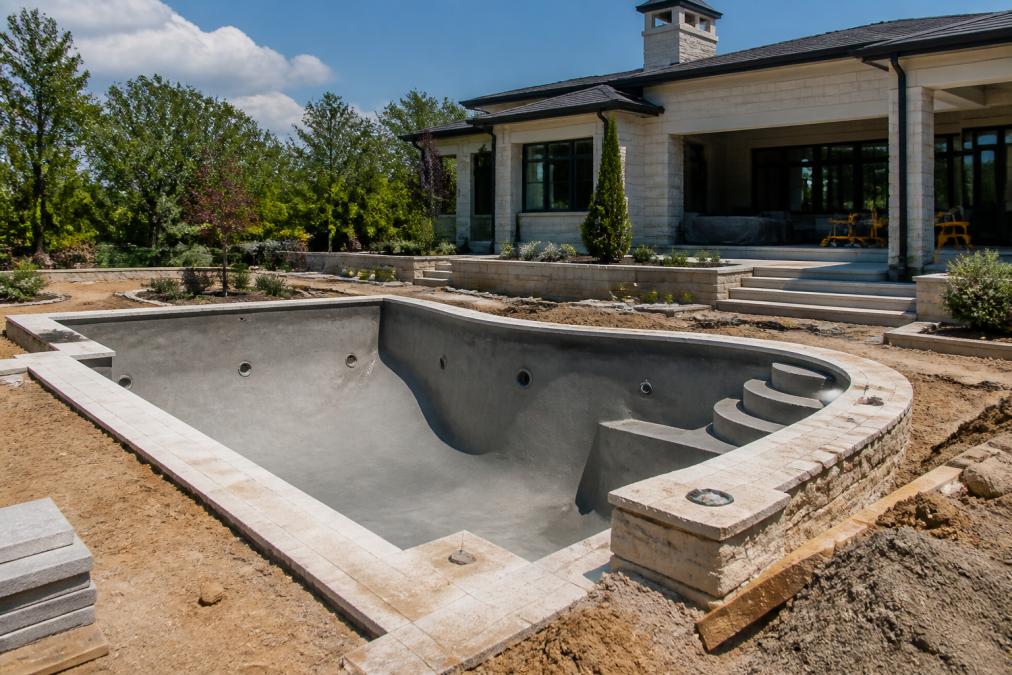
Gunite is the gold standard for custom pool installation. The construction method involves spraying a mixture of concrete and sand over a steel rebar framework, allowing the pool shell to take virtually any shape, depth, or dimension. Freeform lagoon shapes, vanishing edges, attached spas, and multi-level designs all become possible with gunite.
That structural integrity comes at a price. Gunite pools sit at the top of the cost range, and the construction timeline is longer than alternatives. The shell must cure properly before plastering, and the plaster surface itself needs resurfacing every 10-15 years, which is an ongoing ownership cost many buyers underestimate.
Fiberglass Pool Shell
A fiberglass pool shell arrives as a pre-manufactured unit, dropped into an excavated hole and connected to utility hookups. Installation is faster than gunite, often completed in days rather than weeks, and the smooth, non-porous surface resists algae growth, reducing chemical consumption and maintenance costs.
The trade-off is customization. Fiberglass pools come in manufacturer-defined shapes and sizes. If your backyard has an unusual footprint or you want a specific design feature that no standard shell accommodates, fiberglass won't work. Many homeowners find fiberglass hits the best balance of quality, speed, and long-term maintenance cost for standard residential applications.
Vinyl Liner Pools
Vinyl liner pools offer the lowest entry-level cost among inground pool types. A steel, aluminum, or polymer wall structure is assembled in the excavated hole, and a custom-cut vinyl liner is fitted inside to create the water-containment surface.
The liner itself is the limiting factor. Liners typically last 10-15 years before replacement is needed, and that replacement cost is a recurring expense. Sharp objects, improper chemical balance, and UV exposure all accelerate liner degradation. For homeowners with a tighter initial budget who plan to sell within a few years, vinyl liner pools remain a practical option.
Hidden Costs: Permits, Excavation, and Turn-Key Pricing
A contractor quotes you a pool price, and you mentally add decking and landscaping later. The reality is that the distance between a base pool quote and a complete, usable backyard is substantial.
Turn-key pricing encompasses everything required to deliver a finished, functional outdoor space: excavation, pool shell, plaster or liner, coping, decking, safety fencing, electrical, plumbing, equipment pad, startup chemicals, and landscaping. When you compare quotes, confirm whether each one is base-package or all-in pricing. The difference can be significant.
Permitting fees vary by municipality but are non-negotiable. Zoning requirements, setback rules, and safety fencing mandates add both cost and timeline. Excavation itself is a major line item, especially when soil conditions require extra equipment or debris removal. Utility trenching and pool equipment (pump, filter, heater, automation) all sit outside many base quotes.
According to the Consumer Financial Protection Bureau's home improvement guidance, homeowners consistently underestimate ancillary costs in major home improvement projects.
Pool Permit and Zoning Requirements You Need to Know
Pool permit and zoning requirements are set at the local municipality level, which means rules vary significantly by jurisdiction. Most municipalities require a building permit for any inground pool installation. The permit process typically involves plan submission, structural review, and one or more inspections at key construction phases.
Zoning requirements govern setbacks, which define how far the pool must sit from property lines, the home's foundation, and utility easements. Many jurisdictions also mandate specific safety fencing configurations around inground swimming pools. The U.S. Consumer Product Safety Commission's pool safety guidelines provide federal-level guidance on residential pool barriers, and local codes frequently reference or exceed these standards.
HOA restrictions layer on top of municipal requirements in many communities. Architectural review approval, material restrictions, and aesthetic guidelines can all affect your design before the permit process even begins.
Gorilla Treescape LLC handles permit processing for qualifying projects, typically completing the permit phase in under two months, which is a meaningful advantage in markets where permitting backlogs can stall projects for a season.
Custom Pool Design Features That Affect Your Budget
Beyond the pool shell itself, design features are where budgets expand quickly and where the most meaningful personalization happens.
Water Features, Automation Systems, and Energy Efficiency
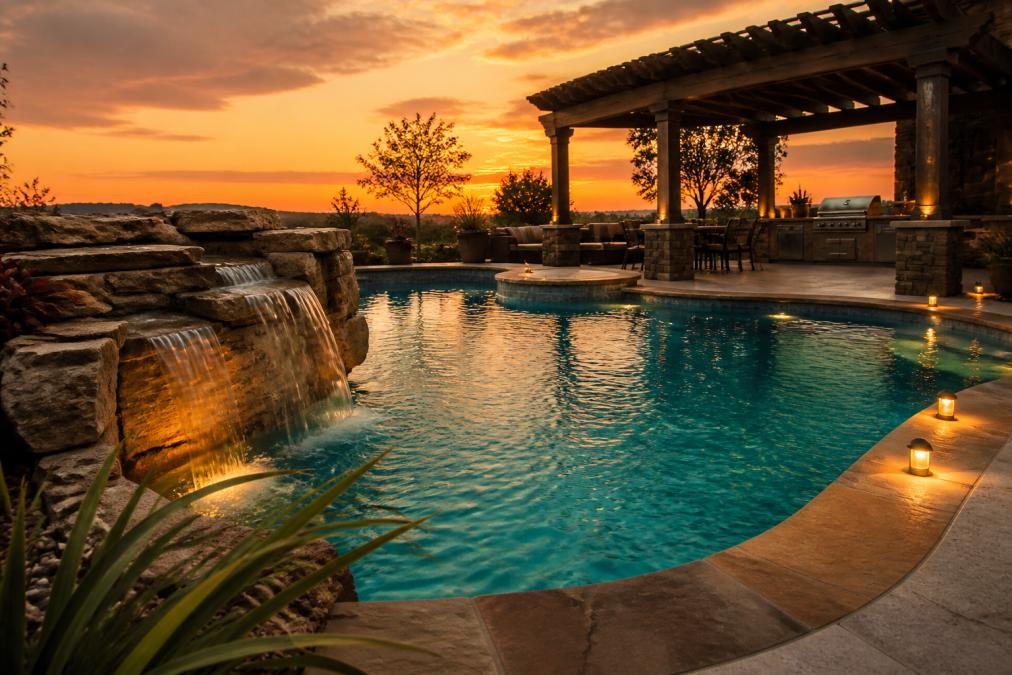
Water features, including waterfalls, deck jets, bubblers, and grottos, add visual drama and acoustic character. Each feature adds plumbing, structural support, and potentially electrical components. A single natural stone waterfall can represent a significant budget addition.
Automation systems allow homeowners to control lighting, water temperature, pump schedules, and water features from a smartphone or wall panel. A variable speed pump consumes dramatically less energy than a single-speed unit when running at lower speeds for circulation. The U.S. Department of Energy's pool pump efficiency guidance notes that variable speed pumps can reduce pool pump energy consumption substantially compared to single-speed alternatives.
LED lighting packages, automated chemical dosing systems, and smart covers all sit in this category. Each is optional; together, they define the difference between a functional pool and a resort-style backyard experience.
Hardscaping, Decking, and Landscape Integration
The pool shell is surrounded by a hardscaping environment that defines how the space functions. Decking choices range from basic concrete to travertine, porcelain tile, natural stone, and composite materials, each with different costs, maintenance requirements, and aesthetic profiles.
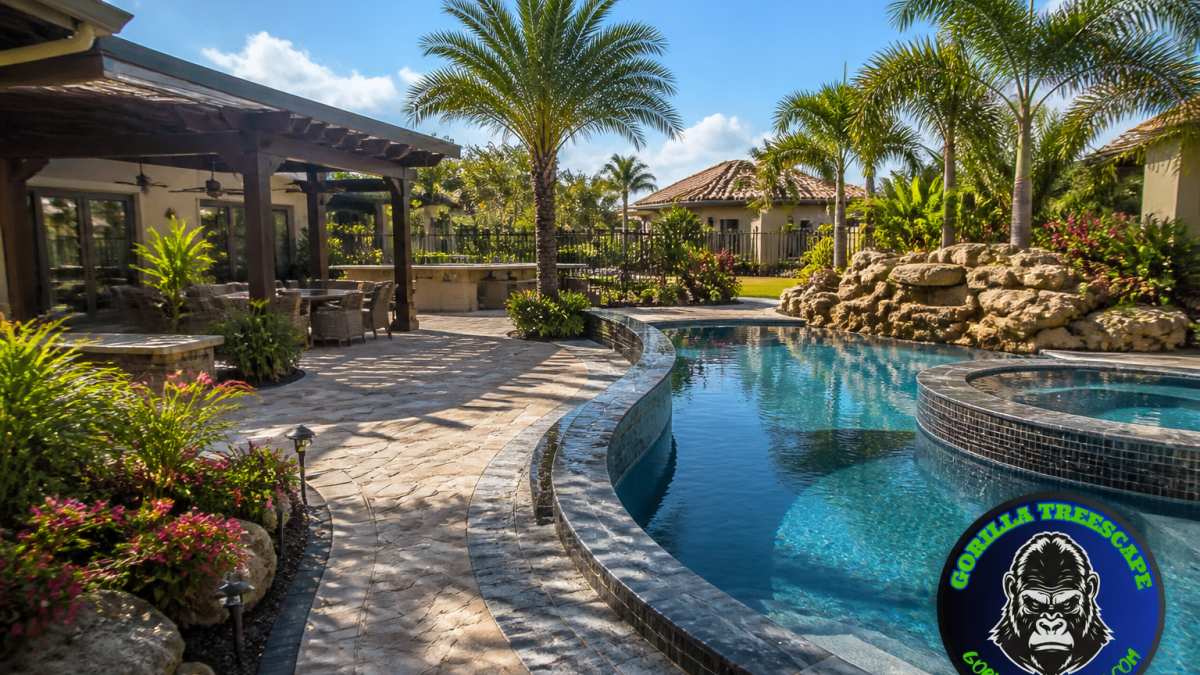
Landscape integration is where post-installation design separates good projects from exceptional ones. Privacy hedging, tropical plantings, artificial green walls, and lighting design transform a pool installation into a cohesive outdoor living space. Pergolas, outdoor kitchens, and shade structures extend the usable footprint and increase property value.
A common mistake is treating landscaping as an afterthought funded by whatever budget remains after construction. The most successful projects plan the hardscaping and landscape design concurrently with the pool.
Inground Pool Installation Timeline: Phase by Phase
The inground pool installation timeline from permit approval to first swim typically spans 8 to 16 weeks for a standard project, though site complexity and permit processing times affect this range significantly.
| Phase | Typical Duration | Key Activities |
|---|---|---|
| Design and permitting | 2-6 weeks | Plans submitted, permit issued, HOA approval |
| Excavation | 1-3 days | Dig, soil removal, access setup |
| Shell construction | 1-4 weeks | Steel, gunite/fiberglass/liner installation |
| Plumbing and electrical | 1-2 weeks | Utility hookups, equipment pad |
| Decking and coping | 1-2 weeks | Hardscaping installation |
| Finishing and startup | 1-2 weeks | Plaster, fill, chemical balance |
Gunite pools take longest due to curing requirements. Fiberglass installations compress the timeline considerably once the shell is on site. Supply chain conditions and subcontractor availability remain variable in 2026, so build buffer time into your planning.
Total Cost of Ownership: Maintenance, Financing, and ROI
The purchase price of a custom pool installation is a one-time event. The ownership costs run for the life of the pool and deserve the same analytical attention as the upfront investment.
Annual Maintenance Costs
Annual pool maintenance encompasses chemicals, equipment servicing, cleaning, and periodic repairs. Chemical costs vary based on pool size, usage, and local water chemistry. Equipment service includes annual inspection of the pump, filter, heater, and automation systems. Many homeowners opt for a professional maintenance contract, which provides predictable monthly costs and prevents deferred maintenance.
Gunite pools require periodic resurfacing, typically every 10-15 years. Vinyl liner pools require liner replacement on a similar or shorter cycle. Fiberglass pools have lower ongoing surface maintenance but are not maintenance-free. Budgeting for these periodic costs from day one prevents sticker shock later.
Financing Options and Property Value Impact
Most homeowners finance custom pool installation through a home equity loan, a home equity line of credit, or a personal loan. Home equity products typically offer lower interest rates because the loan is secured against the property. Personal loans carry higher rates but don't require equity.
The property value question is nuanced. A well-executed, properly maintained inground pool in a market where pools are desirable can meaningfully increase appraised value. In markets where pools are standard, the value contribution is more moderate. Local real estate data is the most reliable guide for your specific market.
What's consistent across markets: a poorly maintained pool or an incomplete installation actively reduces property value. The investment pays off when the pool is finished properly, maintained consistently, and fits the neighborhood profile.
Planning a custom pool project involves more moving parts than most homeowners anticipate, from soil conditions and permitting timelines to material selection and long-term maintenance budgeting. Gorilla Treescape LLC manages the full scope, handling permit processing, pool and patio construction, hardscaping, and landscape integration as a single coordinated project. Our team brings the design, construction, and finishing work together so nothing falls through the gaps between contractors. Get a quote from Gorilla Treescape LLC and start building the outdoor space your property deserves.
Frequently Asked Questions
How much does custom pool installation cost in 2026?
Custom pool installation costs vary significantly based on material, size, site conditions, and design features. A basic inground vinyl liner pool sits at the lower end of the price spectrum, while a fully custom gunite pool with water features, automation, and hardscaping can reach well into six figures. Because pricing depends on your specific lot, local permitting fees, labor rates, and chosen finishes, the most reliable step is requesting a detailed quote from a licensed contractor who can assess your site directly.
What is the most expensive part of installing a pool?
For most custom pool installation projects, the structural work, excavation, the pool shell itself, and the surrounding concrete or decking, accounts for the largest share of the budget. Gunite construction is particularly labor-intensive, driving up costs. Beyond the shell, add-ons like resort-style water features, variable speed pumps, automation systems, safety fencing, and professional landscaping can each add thousands to the all-in pricing. Hidden costs like utility hookups and soil remediation also catch many homeowners off guard.
Will a pool increase the value of my home in 2026?
A well-built inground swimming pool can increase resale value, but the return varies by market and home price point. In warm-climate markets where pools are expected, a custom pool with quality hardscaping and landscaping typically recovers a meaningful portion of its cost at resale. The ROI improves when the pool is paired with cohesive outdoor living features like a patio, outdoor kitchen, or pergola. Pools that look dated or require immediate repairs, however, can actually deter buyers.
How long does inground pool installation take from start to finish?
A typical inground pool installation timeline runs 8 to 16 weeks once permits are approved, though complex custom builds can take longer. Permitting alone can add 2 to 6 weeks depending on local zoning requirements. The construction sequence moves through excavation, steel and plumbing rough-in, shotcrete or shell installation, decking, and finish work. Supply chain delays on specialty equipment like automation systems or custom water features can extend the timeline, so building buffer time into your project schedule is a practical move.
How do material choices impact custom pool installation costs?
Material is one of the biggest cost levers in any custom pool installation. Vinyl liner pools carry the lowest upfront cost but require liner replacement every 8 to 12 years. Fiberglass pool shells install faster and offer lower long-term maintenance costs, though customization options are more limited. Gunite pools offer the most flexibility in shape, depth, and finish, making them the standard for resort-style builds, but they come with higher upfront costs and a longer installation timeline. Your choice directly affects both the initial price and the ownership period costs.
Do I need a permit to install a custom pool?
Yes. Virtually every municipality requires permits before excavation begins on an inground swimming pool. Pool permit and zoning requirements typically cover structural plans, electrical and plumbing inspections, safety fencing, and setback distances from property lines. Some areas also have specific zoning requirements around pool depth and equipment placement. Skipping permits creates liability issues and can complicate a future home sale. Working with a contractor who handles permit applications as part of the project scope reduces delays and ensures inspections are scheduled correctly.
This article was written using GrandRanker