 how-to
How to Choose a Custom Pool Builder in Miami
Table of Contents
- Step 1: Verify Credentials and Licensing
- Step 2: Review Past Project Portfolios and References
- Step 3: Understand Pool Design and Customization Options
- Step 4: Custom Pool vs Prebuilt Pool Cost Comparison
- Step 5: Questions to Ask Pool Builders Before Hiring
- Step 6: Pool Contractor Vetting Checklist
- Step 7: Review Warranty, Timeline, and Local Permits
- Conclusion
- Frequently Asked Questions
Last Updated: September 4, 2026
Choosing the right custom pool builder in Miami determines whether your backyard project becomes a relaxing oasis or a prolonged source of stress. The decision involves more than comparing prices; it requires verifying credentials, understanding construction methods, and aligning on design expectations before any excavation begins. This guide from Gorilla Treescape LLC walks through the essential steps to vet contractors and select a partner who can deliver quality results on time and within budget.
Step 1: Verify Credentials and Licensing
A licensed and insured contractor is the non-negotiable foundation of any pool construction project. In Florida, pool builders must hold a state-issued license, and you should confirm this credential is active and in good standing before scheduling a consultation. Ask for proof of general liability insurance and workers' compensation coverage, as these protect you from liability if an accident occurs on your property.
The Florida Department of Business and Professional Regulation license verification tool allows you to check a contractor's license status and any disciplinary history. A contractor who hesitates to provide this documentation or suggests working without permits is a red flag that should end the conversation immediately.
Step 2: Review Past Project Portfolios and References
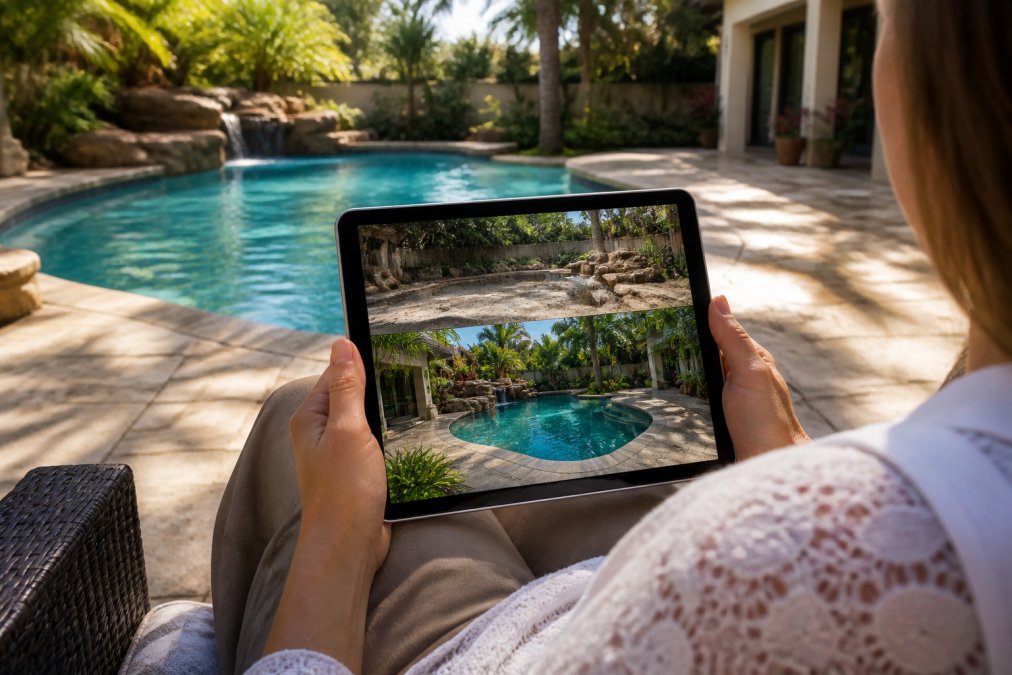
Examining a builder's completed work reveals their craftsmanship, design range, and attention to detail. Request a portfolio of finished pools in your area and look for projects similar in scope and style to what you envision. Pay attention to the quality of the pool finish, the precision of the hardscaping, and how well the surrounding landscaping integrates with the overall design.
Speaking directly with past clients provides insight into the builder's communication style and reliability. Ask references about the project timeline, whether they encountered unexpected costs, and how the contractor handled challenges. The Better Business Bureau complaint history can also reveal patterns of unresolved disputes or recurring issues.
Step 3: Understand Pool Design and Customization Options
Custom pool design in Miami extends far beyond choosing between geometric shapes and free-form layouts. A skilled builder should offer a full range of customization capabilities, including water features, LED lighting, sun shelves, and integrated spas. However, the design phase must account for Miami's unique geological and hydrological conditions, factors that generic pool guides rarely address but directly impact construction feasibility, cost, and long-term durability.
Miami's Limestone and Water Table Challenges
Most of South Florida sits on a foundation of porous limestone bedrock with a naturally high water table, often only 4 to 8 feet below the surface. This geology creates two critical design and engineering considerations:
Excavation and Dewatering: Digging a pool in limestone requires specialized equipment and techniques. Limestone can be fractured or unstable, and hitting the water table during excavation means the contractor must implement dewatering systems, pumping groundwater away from the dig site to keep it dry during construction. A builder unfamiliar with this process may underestimate costs or timelines. During your initial consultation, ask the contractor how they plan to handle dewatering and whether they've managed high water table projects in your specific neighborhood. Some areas of Miami-Dade County have higher water tables than others, and a site survey should confirm the exact depth on your property.
Pool Placement and Hydrostatic Pressure: The high water table creates hydrostatic pressure, the force of groundwater pushing up against the pool shell from below. Pools built in high water table zones require additional structural reinforcement, including hydrostatic relief valves (one-way valves that allow groundwater to escape if pressure builds up). Without proper engineering, a pool can literally float or crack during heavy rainfall or seasonal water table fluctuations. A reputable builder will conduct a soil boring and water table assessment before finalizing the design and will explain how the pool's structural design accounts for these pressures.
Design Consultation and Site Evaluation
During the initial project consultation, a reputable contractor will conduct a thorough site evaluation before proposing a design. This should include:
- A soil boring or percolation test to determine soil composition and water table depth
- Discussion of how the pool's placement affects drainage on your property
- Explanation of any special engineering or reinforcement needed based on site conditions
- Clarification of how local building codes (Miami-Dade County and the City of Miami have specific pool construction standards) influence the design
They should discuss how the pool's placement affects your existing landscaping, outdoor kitchen, or patio areas. A builder who listens to your lifestyle needs, proposes creative solutions, and explains the technical reasoning behind their recommendations demonstrates the expertise needed for a successful luxury pool construction project in this environment.
Energy Efficiency and Smart Pool Technology
Modern custom pools increasingly incorporate energy-efficient and automated systems that reduce operating costs and enhance convenience. During the design phase, discuss whether the builder offers variable-speed pumps (which use 75% less energy than single-speed models), LED pool lighting with color-changing options, and automation systems that allow remote control of filtration, heating, and lighting via smartphone. These upgrades add to the initial cost but significantly reduce long-term energy expenses, a topic covered in more depth in the maintenance cost section below.
Step 4: Custom Pool vs Prebuilt Pool Cost Comparison
The custom pool vs prebuilt pool cost comparison comes down to personalization versus upfront savings. Prebuilt or vinyl liner pools offer a lower initial price point and faster installation, but they limit your options for shape, depth, and integrated features. Concrete pools provide complete design freedom and long-term durability, making them the preferred choice for homeowners seeking a permanent backyard transformation.
A custom concrete pool requires a larger investment, but the cost reflects the extensive site preparation, structural engineering, and skilled labor involved. When evaluating quotes, remember that the lowest bid rarely represents the best value. A detailed estimate should itemize excavation, steel reinforcement, gunite application, tile, coping, and the pool finish, so you understand exactly where your money goes.
Step 5: Questions to Ask Pool Builders Before Hiring
Asking the right questions to pool builders before hiring separates experienced professionals from general contractors dabbling in pool construction. Inquire about their experience with Miami's specific building conditions, including high water tables and limestone bedrock, which can complicate excavation. Ask how they handle subcontractor management and whether their crew members are employees or independent subcontractors.
Clarify the project timeline and how they manage delays caused by weather or permitting issues. Discuss the warranty coverage on both the structural shell and the mechanical equipment, and request written documentation of what the warranty includes. A builder who provides clear, detailed answers demonstrates the project management capabilities necessary for a smooth construction process.
Step 6: Pool Contractor Vetting Checklist
A structured pool contractor vetting checklist ensures you evaluate every candidate against the same criteria. Working through this list systematically prevents emotional decision-making and helps you compare builders objectively.
- Confirm active Florida state license and insurance coverage
- Review 3-5 completed projects similar to your desired scope
- Contact at least three references from the past two years
- Verify permit handling and knowledge of local building codes
- Request a detailed written quote with itemized costs
- Clarify warranty terms for structure and equipment
- Confirm the project timeline and communication process
- Check for membership in professional industry associations
The National Association of Home Builders pool construction guidelines provide useful benchmarks for evaluating contractor qualifications and industry standards. A builder who meets every criterion on this list demonstrates the professionalism and reliability needed for a complex project.
Step 7: Review Warranty, Timeline, and Local Permits
Understanding the warranty, construction timeline, and permitting process protects your investment long after the pool is complete. Most reputable builders offer a structural warranty on the pool shell (typically 5 to 10 years) and a separate warranty on equipment such as pumps and heaters (typically 1 to 3 years). Clarify who handles warranty claims and how quickly they respond to service requests. Request written documentation of warranty terms, including what is and is not covered (for example, whether cracks from settling or normal wear are covered, or whether equipment failures due to improper maintenance void the warranty).
The Miami-Dade County Permitting Timeline
Building permits are not optional for pool construction in Miami-Dade County, and understanding the permitting process is essential for setting realistic project expectations. A licensed contractor will handle the permitting process, but you should understand the timeline and inspection sequence involved. The Miami-Dade County building permit requirements outline the inspections required throughout construction, and the process typically unfolds as follows:
Pre-Construction (2-4 weeks) After you approve the design, the contractor submits the pool plans to Miami-Dade County for review. The county's Building Department examines the plans for compliance with the Florida Building Code and local ordinances. This review can take 2 to 4 weeks, depending on the county's workload and whether the plans require revisions. If the county identifies issues (such as setback violations or inadequate structural reinforcement for the water table), the contractor must revise and resubmit, which adds another 1 to 2 weeks.
Excavation and Foundation Inspection Once the permit is issued, excavation begins. Before the contractor can pour the pool shell, a Miami-Dade County inspector must approve the excavation and foundation work. This inspection verifies that the hole is the correct depth and dimensions, that any dewatering systems are in place, and that the site is prepared according to the approved plans. Scheduling this inspection typically takes 3 to 7 days after the contractor requests it.
Shell and Structural Inspection After the pool shell (gunite or concrete) is poured and cured, another inspection is required to verify the structural integrity and proper thickness. This inspection ensures the shell meets code requirements and is ready for finishing work.
Final Electrical and Safety Inspection Before the pool can be filled and used, a final inspection covers electrical work (pump, heater, lighting), bonding and grounding, and safety features such as drain covers and handrails. This inspection must be passed before the county issues a Certificate of Occupancy for the pool.
Realistic Timeline Expectations From permit submission to final inspection approval, the permitting process alone typically takes 6 to 10 weeks. Add 4 to 8 weeks for actual construction (excavation, shell, finishing, equipment installation), and a realistic total timeline for a custom pool project is 10 to 18 weeks (roughly 2.5 to 4.5 months). Weather delays, inspector availability, and plan revisions can extend this timeline. A builder who promises completion in under 10 weeks is either cutting corners or underestimating the permitting hurdles specific to Miami-Dade County.
Warranty Coverage and Equipment Support
Beyond the structural warranty, clarify the warranty on the pool's finish (plaster, aggregate, or tile) and on mechanical equipment. Most plaster finishes are warranted for 3 to 5 years against cracking or discoloration under normal use. Tile and aggregate finishes typically carry longer warranties (5 to 10 years) but cost more upfront. Equipment warranties vary by manufacturer, pumps and filters typically carry 1 to 3 year warranties, while heaters may be covered for 5 to 10 years depending on the model.
Ask whether the builder or the equipment manufacturer handles warranty claims, and confirm the response time for service calls. Some builders include a first-year maintenance plan that covers minor repairs and equipment adjustments; others charge separately for post-construction service. Understanding these terms upfront prevents surprises if equipment fails shortly after completion.
Conclusion
Choosing a custom pool builder in Miami requires diligence, but the effort ensures your investment delivers years of enjoyment. A builder who combines proper licensing, transparent communication, and proven experience with local conditions will navigate the permitting process and construction challenges effectively. Gorilla Treescape LLC brings this expertise to every project, offering custom pool and patio design, permit handling, and seamless project management from concept to completion. Get a quote today and start building the backyard oasis you deserve.
Frequently Asked Questions
What licenses and insurance should a custom pool builder have?
A reputable custom pool builder should hold a Florida Construction Contractor License, general liability insurance, and workers' compensation coverage. Ask for proof of current licensing through the Florida Department of Business and Professional Regulation (DBPR) and verify insurance certificates directly with the provider. Licensed and insured contractors protect you from liability if accidents occur during construction.
How much does a custom pool cost compared to a prebuilt pool?
Custom pools typically cost more upfront due to site-specific design, excavation, and customization, but offer superior durability and long-term value. Prebuilt pools are cheaper initially but limited in design and may not suit your yard's soil conditions or local building codes. The true difference depends on size, finishes, water features, and site complexity. Request detailed quotes from your custom pool builder to understand your specific investment.
What questions should I ask a pool builder before hiring?
Ask about their experience with similar projects, timeline expectations, permit handling process, warranty coverage, payment schedule, subcontractor management, and how they handle changes mid-project. Inquire about soil testing, drainage solutions, and compliance with local building codes. Request references from completed projects in your area and ask how they communicate project updates. Clear answers to these questions reveal professionalism and transparency.
How long does the pool permitting process take?
Permit timelines vary by county and project complexity. A qualified custom pool builder handles the permit application and can often expedite the process through experience with local building departments. Soil conditions, site surveys, and design complexity may extend timelines. Ask your builder for a specific permitting timeline during the consultation phase.
Frequently Asked Questions
Q: What licenses and insurance should a custom pool builder have?
A: A reputable custom pool builder should hold a Florida Construction Contractor License, general liability insurance, and workers' compensation coverage. Ask for proof of current licensing through the Florida Department of Business and Professional Regulation (DBPR) and verify insurance certificates directly with the provider. Licensed and insured contractors protect you from liability if accidents occur during construction.
Q: How much does a custom pool cost compared to a prebuilt pool?
A: Custom pools typically cost more upfront due to site-specific design, excavation, and customization, but offer superior durability and long-term value. Prebuilt pools are cheaper initially but limited in design and may not suit your yard's soil conditions or local building codes. The true difference depends on size, finishes, water features, and site complexity. Request detailed quotes from your custom pool builder to understand your specific investment.
Q: What questions should I ask a pool builder before hiring?
A: Ask about their experience with similar projects, timeline expectations, permit handling process, warranty coverage, payment schedule, subcontractor management, and how they handle changes mid-project. Inquire about soil testing, drainage solutions, and compliance with local building codes. Request references from completed projects in your area and ask how they communicate project updates. Clear answers to these questions reveal professionalism and transparency.
Q: How long does the pool permitting process take?
A: Permit timelines vary by county and project complexity. A qualified custom pool builder handles the permit application and can often expedite the process through experience with local building departments. Soil conditions, site surveys, and design complexity may extend timelines. Ask your builder for a specific permitting timeline during the consultation phase.